
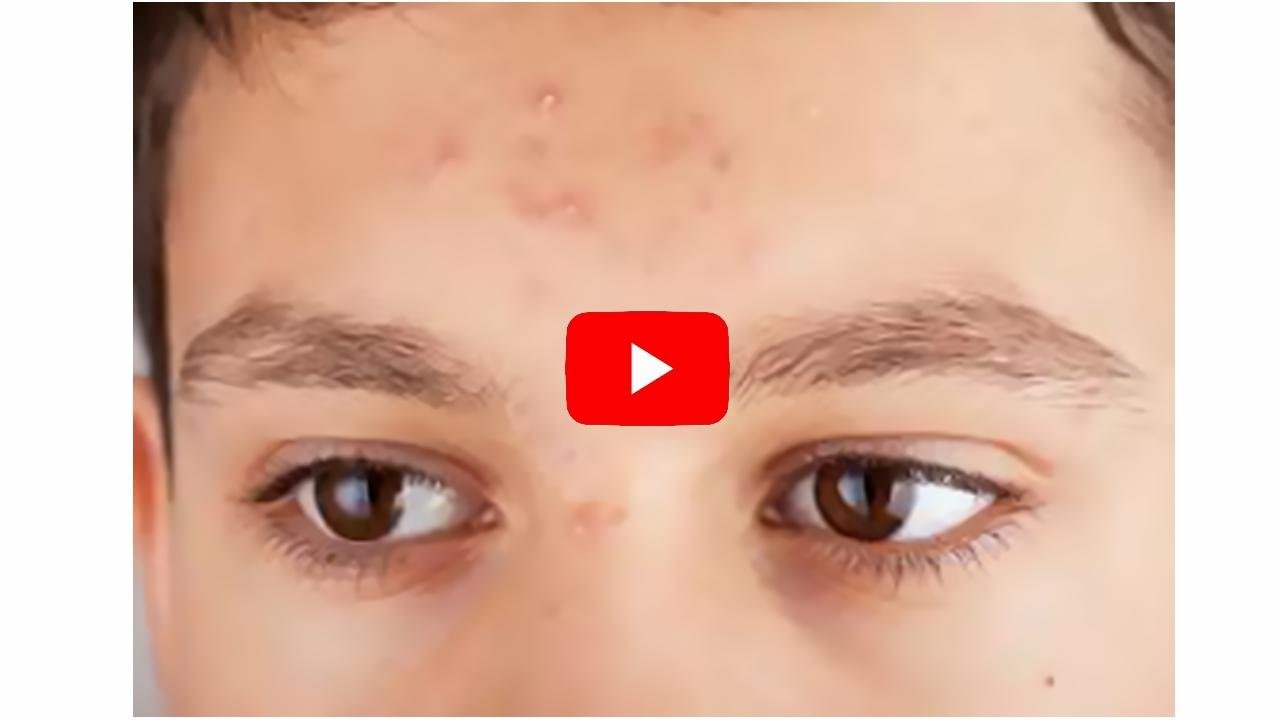

1. Why Zinc Is Important: The Essential Mineral for Healthy Skin
Although it may not receive as much attention as vitamins A or C, zinc is a powerful mineral that is often overlooked when it comes to skin health, particularly acne. Zinc is essential for controlling oil production, lowering irritation, and even repairing damaged skin. Your skin is more susceptible to breakouts, clogged pores, and the slow healing of imperfections if you don’t have enough zinc in your body.
The potent anti-inflammatory and antibacterial qualities of zinc are what make it so unique for skin prone to acne. It stops acne-causing bacteria in their tracks and helps reduce the redness and swelling that come with pimples. Additionally, zinc strengthens your immune system, which is essential for avoiding long-term skin problems brought on by internal imbalances.
Zinc is important for another reason. It controls the activity of hormones. Maintaining healthy zinc levels can help avoid the onset of those severe, painful breakouts in the first place, as hormonal imbalances are a major cause of cystic and adult acne. Consider it a natural buffer that maintains the equilibrium, cleanliness, and calmness of your skin from the inside out.
Zinc is an essential mineral that your skin simply cannot function without, whether you obtain it from your diet or supplements. Lean meats, chickpeas, pumpkin seeds, and oysters are all excellent food sources, but if you’re not getting enough of them, a supplement can be the final component of your acne treatment regimen.
2. How Zinc Addresses Hormonal Acne‘s Primary Causes
Hormonal acne is more than simply superficial skin problems; it’s a chronic condition linked to bodily imbalances. Zinc can help with it. This super mineral targets the root causes of acne, particularly those related to hormones, inflammation, and oil production, rather than just treating it.
Zinc is essential for controlling androgens, which are hormones that increase during menstruation, stress, or puberty and cause an overabundance of oil (sebum). Excessive oil plugs pores and makes the ideal environment for acne to grow. Zinc functions as a natural moderator, lowering those undesirable surges in hormone activity.
That’s not all, though. Additionally, zinc naturally blocks the hormone dihydrotestosterone (DHT), which is directly connected to hormonal acne, particularly around the chin and jawline. Zinc helps prevent breakouts before they ever occur by reducing the impact of DHT on the oil glands in the skin.
Additionally, zinc calms inflammation, boosts the immune system, and speeds up wound healing to soothe the skin. The outcome? Reduced likelihood of scarring, less redness, and a speedier recovery from aggressive acne. To put it briefly, zinc treats hormonal acne at its source rather than merely masking its symptoms.
3. Is Your Skin Telling You Something About Zinc Deficiency and Acne?
Your skin may be trying to tell you something if you’re always fighting breakouts, and zinc may be the missing component. Low zinc levels can upset the delicate balance of your skin, which is why zinc is so important. A deficiency may be subtly causing your acne from the inside out, causing symptoms including elevated sensitivity, poor healing, and increased inflammation.
In order to avoid clogged pores and bacterial overgrowth, zinc helps control inflammation, boosts your immune system, and regulates oil production. Your skin is more susceptible to bacteria that cause acne and heals from breakouts more slowly if you don’t get enough of it. Your body may be deficient in this essential mineral if you experience more frequent, aggressive pimples, particularly along the forehead or jawline.
Frequent colds, thinning hair, brittle nails, and yes, recurrent acne are all symptoms of zinc deficiency. Unfortunately, zinc-rich foods are scarce in many diets nowadays, particularly for vegetarians and vegans, so it’s easy to miss out without even realizing it.
It might be a good idea to evaluate your zinc level if standard treatments aren’t working for your acne. Increasing your zinc intake, whether through diet or specific supplements, could be the breakthrough your skin has been longing for.
✅ Struggling with acne? Discover the 2 natural solutions I personally recommend 👉CLICK HERE
4. Top Zinc Types for Acne Treatment: What to Look For
Particularly when it comes to treating acne, not all zinc supplements are made equal. Choosing the correct kind of zinc is essential to seeing noticeable benefits if you’re using it to help clear your skin. Zinc’s ability to calm breakouts and reduce inflammation is directly impacted by the form, which also affects how well your body absorbs and uses the mineral.
Zinc picolinate and zinc methionine are two of the best and most often prescribed types for acne. These are renowned for having a high bioavailability, which means that your body can quickly and effectively absorb and use them. While zinc citrate is easy on the stomach and still has good skin advantages, zinc gluconate is another well-liked choice that is frequently used in clinical trials to treat inflammatory acne.
Unless prescribed by a healthcare professional, stay away from forms such as zinc oxide or zinc sulfate, which are less absorbable and may cause stomach irritation. To avoid long-term mineral imbalances, always read labels and choose supplements that combine zinc and copper or contain a multivitamin composition.
In summary, don’t just pick the cheapest bottle off the shelf when looking for zinc to treat acne. Choose a trustworthy brand, look for forms that are well-absorbed, and verify the dosage—usually 15–30 mg per day for skin support. Your skin will appreciate it.
5. What Is the Appropriate Zinc Dosage for Hormonal Acne?
Zinc is an effective mineral for acne, but as with most beneficial things, moderation is key. If you take too little, you might not experience any effects. If you take too much, you run the risk of experiencing adverse consequences including copper insufficiency or nausea. How much, therefore, is just right?
The sweet spot for most people with hormonal acne is 15–30 mg of elemental zinc daily. In order to treat those deep, cystic breakouts, studies have shown that doses in this range can help lower sebum production, reduce inflammation, and even regulate hormone activity. Just be sure to compute the amount of elemental zinc rather than the total complex. (For instance, only roughly 50 mg of elemental zinc are present in 220 mg of zinc sulfate.)
To prevent stomach distress, it’s also a good idea to take zinc with meals. Ideally, you shouldn’t take it concurrently with calcium or iron, as this may hinder absorption. Additionally, to avoid imbalances, if you intend to take supplements for an extended period of time, think about combining zinc with a tiny quantity of copper (about 1–2 mg).
As always, if you’re not sure, see a healthcare professional. However, if you’re having hormonal acne and haven’t tried zinc yet, this common mineral could be the answer to your clear skin problem.
6. Actual Outcomes: What to Anticipate When Including Zinc Into Your Daily Routine
Although adding zinc to your acne treatment regimen isn’t a miracle solution, many people report seeing improvements in as little as two to four weeks. Most people’s first improvement? Decreased inflammation and redness. Zinc’s inherent anti-inflammatory qualities can help soothe irate outbreaks, particularly the deep, cystic type that’s associated with hormone imbalances.
Zinc can also help control oil production with prolonged use, which will reduce clogged pores and oily skin. You may see fewer fresh breakouts over time, usually by the 6–8 week mark, particularly in hormonally sensitive areas like the neck, chin, and jawline.
Even more amazing is the fact that zinc promotes the skin’s natural healing process, which may make scars less obvious and existing imperfections disappear more quickly. Zinc has the potential to revolutionize your clear skin journey when paired with regular skincare and a healthy lifestyle.
Naturally, each person’s skin reacts differently. Zinc, however, might be the natural boost your regimen needs if you’ve been struggling with hormonal acne that won’t go away and you haven’t tried it yet.
✅ Struggling with acne? Discover the 2 natural solutions I personally recommend 👉CLICK HERE




I’m really intrigued by the role of zinc in managing hormonal acne, as highlighted in the article. However, I’m curious about the specific formulation of Acne Zinc mentioned on Pillintrip. How does the combination of Zinc Acetate and Erythromycin in Acne Zinc contribute to its effectiveness in treating acne? I found some interesting details about it here: https://pillintrip.com/medicine/acne-zinc.