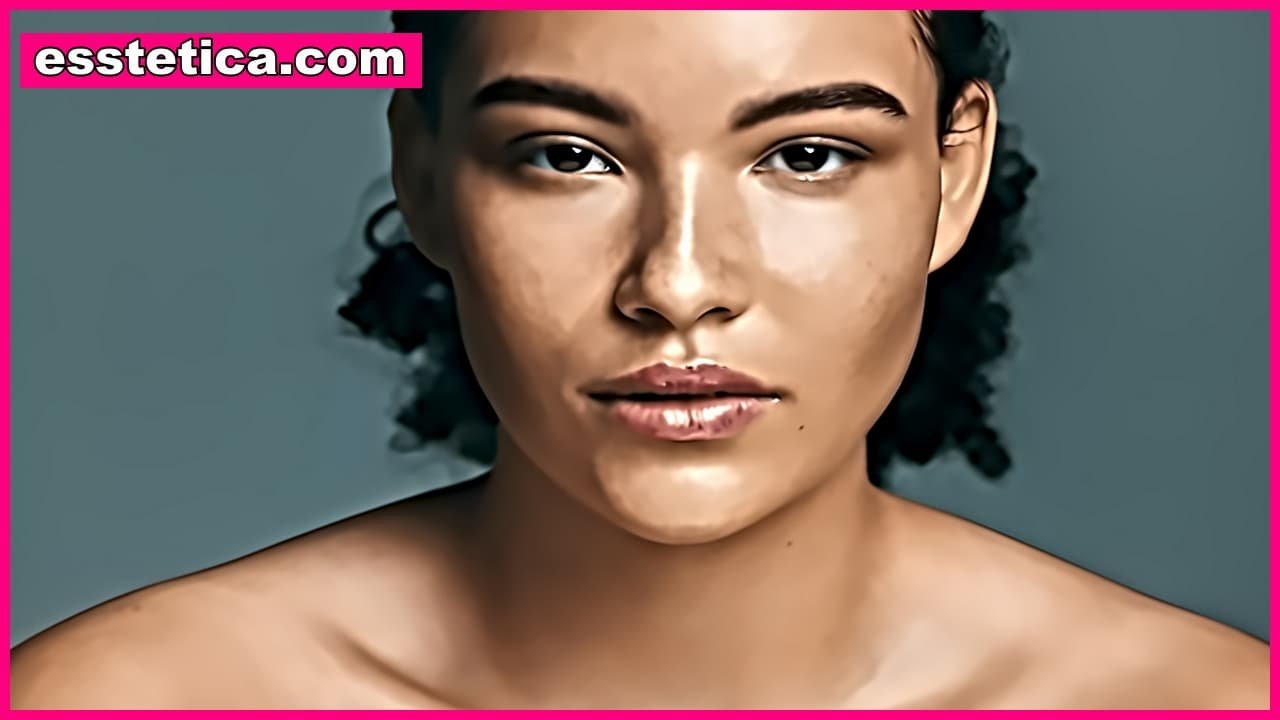
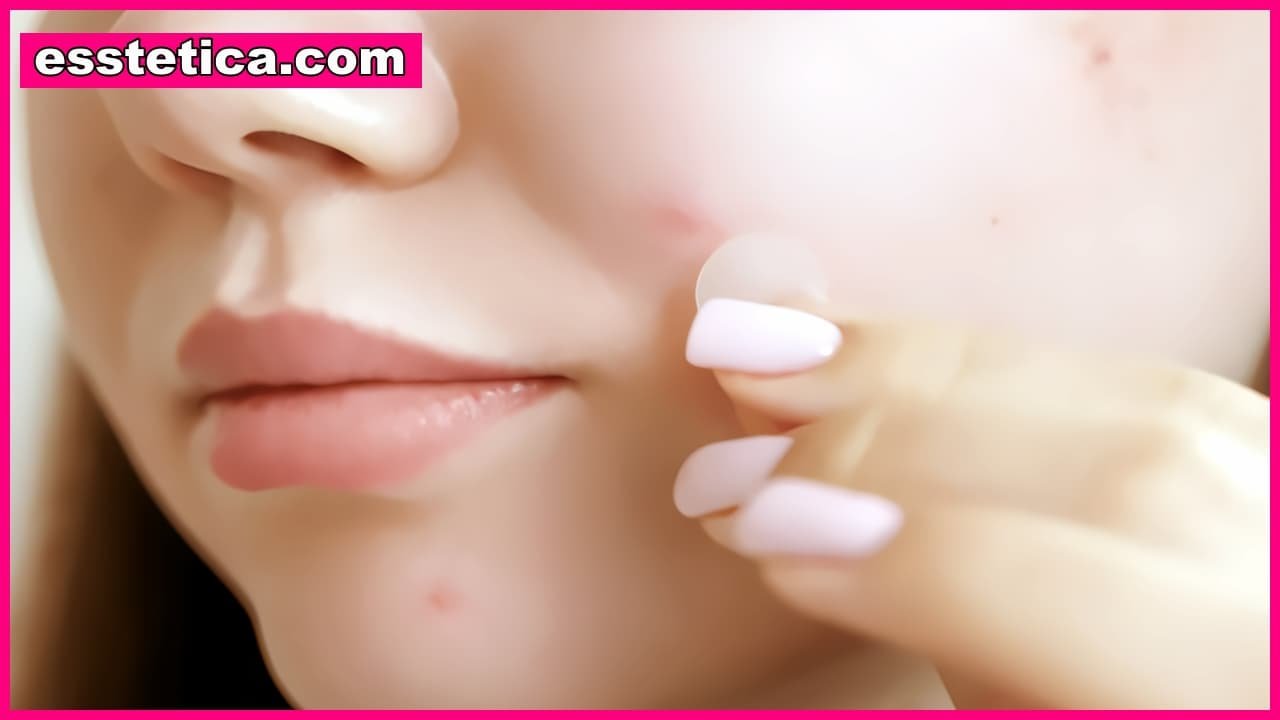

Pregnancy can feel like a whirlwind of “What on earth is happening to my body?” One minute you’re glowing like a sun-kissed goddess. The next — your chin erupts into a cluster of deep, angry blemishes that weren’t invited to the party.
If you’re wondering when pregnancy acne starts, why it happens, and what you can do about it safely, you’re in the right place. Let’s unpack the rollercoaster happening beneath your skin.
🌱 What Is Pregnancy Acne, Exactly?
Pregnancy acne isn’t a special new species of breakout. It’s the same old acne — just triggered by a storm of hormonal changes that arrive with pregnancy.
The main culprit? Androgens.
These hormones convince your oil glands to behave like overcaffeinated workers on overtime:
-
More oil (sebum)
-
Stickier dead skin
-
Clogged pores
-
Inflamed bumps and breakouts
A perfect recipe for pimples.
But why now? Why pregnancy?
Because your body is busy building a whole human — and your skin is simply reacting to the chaos inside.
⏱️ When Does Pregnancy Acne Usually Start?
Here’s the twist: It can strike any time during pregnancy.
But there are common patterns:
First Trimester: The Most Likely Time
This is when hormones spike rapidly.
Many women suddenly feel like they’ve time-traveled back to teenage skin.
Some may notice:
-
A shiny, oily complexion
-
Whiteheads popping up overnight
-
Tender cystic bumps along the jawline and cheeks
Second Trimester: Breakouts May Continue
Hormones are still fluctuating. Skin may:
-
Improve (for some — lucky!)
-
Plateau at a manageable level
-
Intensify around the mouth, chin, and back
Third Trimester: A Final Flare
As hormones rise again near delivery, another wave can appear.
Not always — but often enough to be predictable.
🔄 Does Everyone Get Pregnancy Acne?
Nope. Pregnancy acne is like morning sickness — some get hit hard, others barely notice.
You’re more likely to deal with it if:
-
You had acne during puberty or before pregnancy
-
Your skin already tends to be oily
-
Breakouts flare with menstrual cycles
-
You have a family history of hormonal acne
Pregnancy doesn’t create entirely new skin traits —
it amplifies what already exists.
🎯 Where Does Pregnancy Acne Show Up?
Common breakout zones include:
-
Chin and jawline
-
Cheeks
-
Forehead
-
Chest
-
Upper back
These areas have more active oil glands, so they respond intensely to hormonal changes.
✅ Struggling with acne? Discover the 2 natural solutions I personally recommend:
👉 Get Ninja Health Now — Launch Your Health Site in 60 Seconds

🔥 What Causes Pregnancy Acne?
Let’s break it down — because it’s not just hormones.
1️⃣ Androgen Surge
Triggers excess oil production — the root of the issue.
2️⃣ Inflammation
Pregnancy shifts the immune system, sometimes increasing inflammatory reactions to bacteria in pores.
3️⃣ Increased Stress
Pregnancy is emotional.
Stress hormones can worsen acne and speed up flare-ups.
4️⃣ Body Chemistry Changes
More sweat. More sensitivity. More everything.
5️⃣ Lifestyle Shifts
-
Less sleep
-
Food aversions or cravings
-
Touching the face more when tired
Small habits + hormonal overload = breakouts
⚠️ Will It Go Away After Pregnancy?
Usually, yes — but the timeline varies. Some find:
-
Acne decreases after the first trimester
-
It improves postpartum
-
It lingers during breastfeeding due to hormone fluctuations
Skin can take time to settle.
Patience becomes a friend — even if reluctantly.
🌟 Is Pregnancy Acne a Sign of a Baby’s Gender?
Ah, the classic myth:
“Girls steal their mother’s beauty.”
Charming? Sure. Scientifically accurate? No.
Acne has zero connection to whether you’re having a boy or a girl.
It’s all hormones, all the time.
🧴 Safe Skin Care Tips for Pregnancy Acne
This is where caution matters.
Pregnancy changes what’s considered safe for skin.
While specific medical treatments should only be used under professional guidance, here are general safety-minded approaches often considered suitable for everyday skin care:
🌿 Gentle & Non-Harsh Strategies
✔ Use a mild, fragrance-free cleanser
✔ Rinse after sweating
✔ Avoid scrubbing aggressively — irritation worsens inflammation
✔ Keep hair products off the face
✔ Change pillowcases frequently
✔ Hands off the face — tempting, but destructive
Consistency beats intensity.
💧 Hydration & Barrier Support
Pregnancy skin can weirdly be oily and dehydrated at once.
A gentle moisturizer helps the skin balance itself and stay calm.
A smoother skin barrier = less clogged and less irritated pores.
☀️ Sunscreen Every Day
Sun exposure darkens post-acne marks and slows healing.
Look for gentle, broad-spectrum protection.
Your future skin will thank you.
🛑 Over-the-Counter Products
Some everyday skincare ingredients may not be suitable during pregnancy.
Since pregnancy skincare needs differ from person to person:
It’s always best to review any new products or active ingredients with a qualified healthcare professional.
They can give personalized guidance based on your unique skin and health status.
❓ Why You Should Avoid Self-Treating With Strong Acne Medications
Products that may be ordinary outside pregnancy
can have different safety considerations during pregnancy.
That’s why professional advice is the safest path when it comes to:
-
Prescription acne options
-
Potent exfoliating acids
-
Oral medications
The goal is always to care for both skin and baby without risk.
🧘♀️ Lifestyle Care That May Help Support Skin Health
While lifestyle changes don’t erase pregnancy acne entirely, they support a calmer complexion:
-
Drinking sufficient water throughout the day
-
Finding gentle stress relief (light movement, deep breathing, rest)
-
Maintaining balanced eating habits where possible
-
Reducing friction from masks or helmets
-
Letting skin breathe when you can
Small efforts can bring noticeable relief.
😓 Emotional Impact: The Part Few Talk About
Acne doesn’t just live on the skin.
It lives in thoughts, confidence, and mood too.
Pregnancy brings enough pressure already — expecting “perfect glowing skin” on top of everything else is unrealistic and unfair.
If breakouts are affecting your self-esteem:
-
Be kind to yourself
-
Remember skin fluctuates — especially now
-
Reach out for support if negative feelings grow overwhelming
You’re creating life.
Your body is incredible.
Your worth isn’t measured by a pimple count.
📌 When to Speak With a Healthcare Professional
You deserve help, not silent frustration.
Consider consulting a healthcare provider if:
-
Breakouts are painful or rapidly worsening
-
You feel distressed about your skin
-
You’re unsure which skincare is safe for pregnancy
-
Acne leads to scarring or persistent irritation
Professionals can guide you through safer options tailored to your needs.
🪞 The Big Picture: You’re Not Alone
Pregnancy acne is:
-
Common
-
Temporary more often than not
-
A sign of hormonal strength, not failure
Your body is working overtime — and your skin is simply responding.
Here’s the honest, encouraging truth:
Pregnancy acne often improves with time, gentle care, and the guidance of a qualified provider when needed.
And once your hormone levels settle — so will your skin.
🌼 Final Thoughts: Be Patient With the Process
Pregnancy is a journey filled with transformation — some beautiful, some bewildering. Acne is just one small chapter in the story.
While it may feel frustrating:
-
It won’t define your pregnancy
-
It won’t last forever
-
It doesn’t diminish the strength and beauty of what your body is accomplishing right now
Take a breath.
Take care of your skin with kindness.
Ask for help when you need it.
You — and your skin — are doing the best you can during an extraordinary time.
✅ Struggling with acne? Discover the 2 natural solutions I personally recommend:
👉 Get Ninja Health Now — Launch Your Health Site in 60 Seconds