
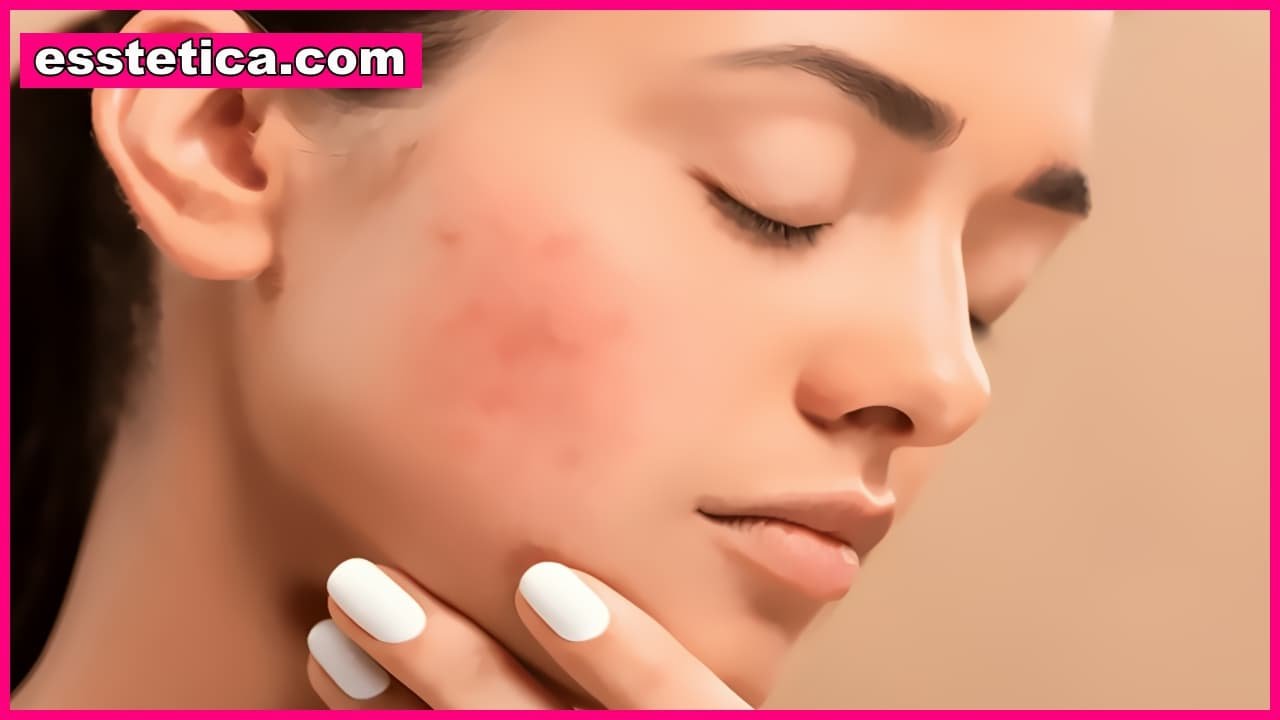

Acne on the cheeks is tricky — it’s not always about dirty skin or bad luck. Sometimes, the culprit hides in your pillowcase, your diet, or even your phone screen. While pimples anywhere are frustrating, cheek acne often feels especially personal since it’s right there, front and center. Let’s peel back the layers and uncover the real triggers that might be sparking those breakouts.
Understanding Cheek Acne Beyond the Basics
Why Cheeks Are Prone to Breakouts
Unlike the forehead or chin, the cheeks are constantly exposed — makeup, pollution, sweat, even your hands resting against your face. This makes the skin vulnerable to irritation and clogged pores.
The Role of Acne Types in Cheek Breakouts
Not all cheek acne looks the same.
-
Whiteheads & Blackheads: Mild forms often linked to oil buildup.
-
Papules & Pustules: Inflamed red bumps, common with bacteria and irritation.
-
Cystic Acne: Deep, painful nodules, often driven by hormones and lifestyle factors.
Knowing the type helps in choosing the right treatment, because what works for blackheads won’t always touch cystic flare-ups.

Hidden Triggers of Cheek Acne You Might Overlook
Lifestyle Triggers That Sneak In
-
Dirty Pillowcases: Oils and dead skin build up faster than you’d think. Weekly washes can make a difference.
-
Phones & Screens: Constant contact spreads bacteria and grime to your face.
-
Makeup Habits: Heavy foundations or not cleaning brushes regularly can trap bacteria and oil.
Diet and Gut Health Connections
You might not want to hear it, but food can be a trigger:
-
Dairy Products: Some studies suggest links between milk, cheese, and acne.
-
Sugary Foods: High-glycemic diets can spike insulin, fueling inflammation.
-
Poor Gut Health: An imbalanced microbiome may show up as skin flare-ups.
Hormones and Stress: Silent Instigators
Hormonal fluctuations — from menstrual cycles, PCOS, or stress — increase oil production, clog pores, and worsen inflammation. Stress also triggers cortisol, a hormone that doesn’t play nice with your skin.
✅ Struggling with acne? Discover the 2 natural solutions I personally recommend:
👉 Get Ninja Health Now — Launch Your Health Site in 60 Seconds
Remedies and Treatments for Cheek Acne
Daily Habits That Help
-
Clean Phones Regularly: Wipe down screens daily to reduce bacteria.
-
Switch Pillowcases Often: Fresh fabric means less oil transfer.
-
Hands Off Policy: Touching your face spreads dirt and bacteria.
Over-the-Counter Products Worth Trying
Look for products with proven acne-fighting ingredients:
-
Salicylic Acid: Unclogs pores and reduces inflammation.
-
Benzoyl Peroxide: Kills acne-causing bacteria.
-
Niacinamide: Calms redness and regulates oil.
Natural Remedies That Support Clearer Skin
-
Green Tea Extract: Anti-inflammatory and antioxidant-rich.
-
Tea Tree Oil: A gentle, natural antibacterial (always dilute before use).
-
Aloe Vera Gel: Soothes irritated or inflamed skin.
When to See a Dermatologist
Sometimes, no matter how many lifestyle tweaks or products you try, cheek acne just won’t back down. That’s when professional help is key. Dermatologists can prescribe stronger options like retinoids, antibiotics, or even laser treatments for acne scars.
Final Thoughts: Getting Ahead of Cheek Acne
Acne on your cheeks is rarely just about surface-level dirt. It’s a mix of lifestyle triggers, hormonal shifts, diet, and sometimes plain genetics. The good news? By recognizing hidden triggers — from pillowcases to stress levels — you can take smarter steps toward prevention. Pairing small daily changes with the right remedies and products creates a path to smoother, clearer skin.
✅ Struggling with acne? Discover the 2 natural solutions I personally recommend:
👉 Get Ninja Health Now — Launch Your Health Site in 60 Seconds
YOU MAY ALSO LIKE:





[…] What Causes Acne on Cheeks? Hidden Triggers You Need to Know […]