

1. Who Is Affected by Hormonal Acne?
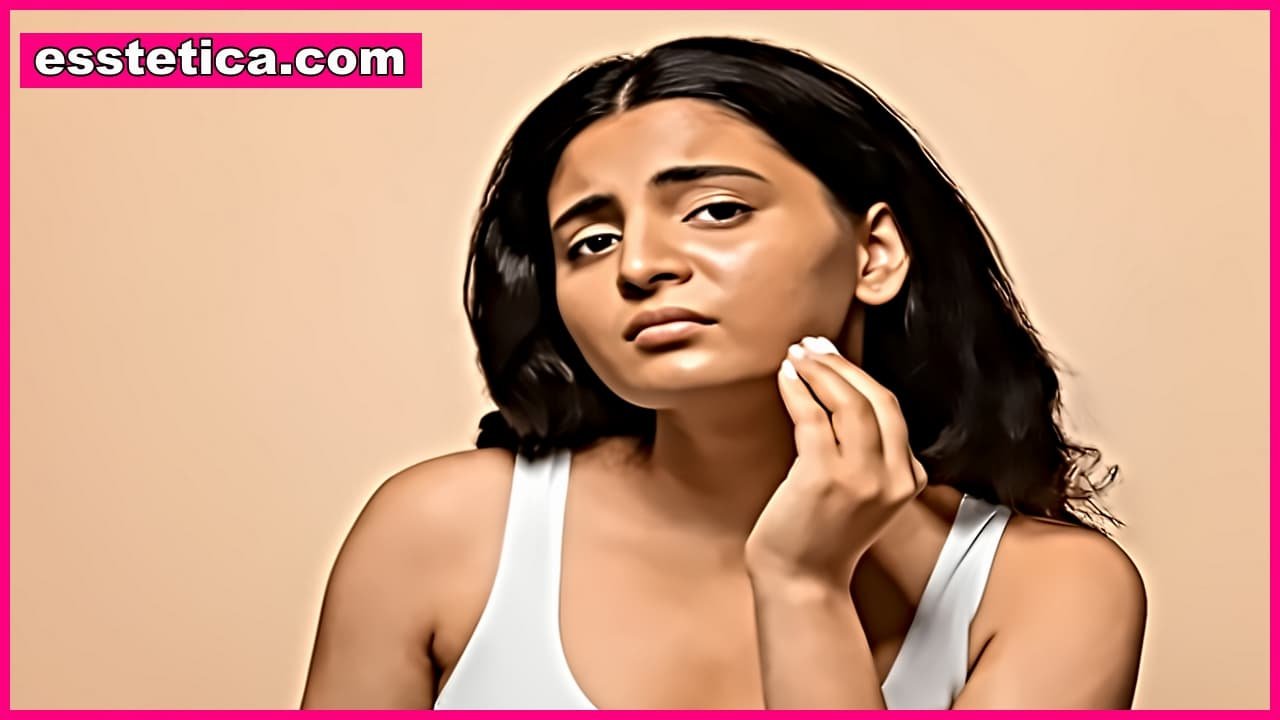
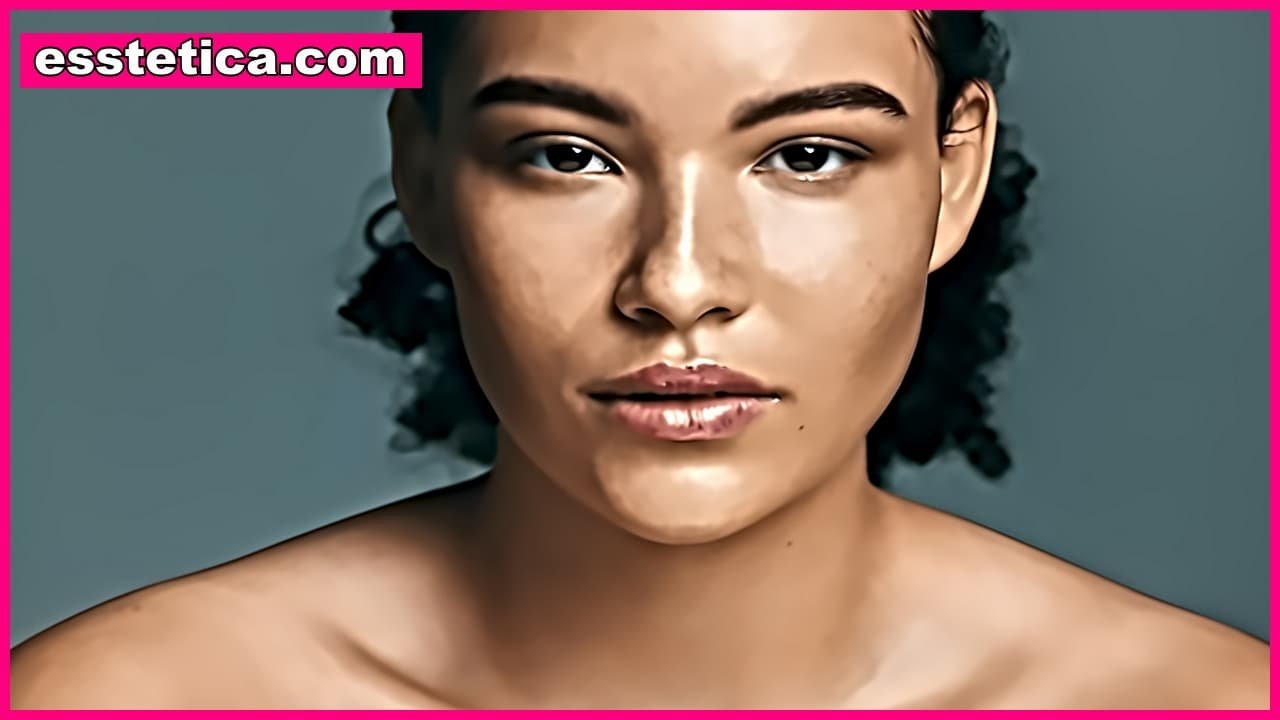
Changes in hormone levels, particularly those of androgens like testosterone, are the main cause of hormonal acne. The oil glands on the skin produce more sebum as a result of these hormonal fluctuations, which can block pores and foster the growth of bacteria that cause acne. Contrary to regular acne, hormonal acne tends to intensify during menstrual cycles, puberty, pregnancy, or times of hormonal imbalance. It typically manifests in particular places, such as the jawline, chin, and lower cheeks.
Hormonal acne can affect people of all ages, but it is most frequently linked to puberty in teenagers. Because hormone levels change monthly during the menstrual cycle and can be impacted by conditions like menopause or polycystic ovary syndrome (PCOS), women are more likely to develop hormonal acne. Hormonal acne can also occur in men, particularly during puberty or as a result of fluctuations in testosterone levels.
Hormonal acne is characterized by its tendency to be more persistent and cystic, frequently resulting in painful, deep pimples beneath the skin’s surface. Because it is influenced by internal factors rather than just external triggers like dirt or skincare products, treating it can be frustrating. Knowing that hormones are the underlying cause aids in the development of more potent treatment plans that focus on correcting imbalances rather than merely covering up symptoms.
In conclusion, hormonal acne is a prevalent yet unique type of acne that is impacted by the body’s hormonal changes. Although it affects a variety of people, women are particularly affected after significant hormonal fluctuations. Finding focused therapies for hormonal acne that will provide long-lasting relief begins with understanding its symptoms and causes.
2. The Primary Reasons for Hormonal Breakouts
The main causes of hormonal breakouts are changes or abnormalities in specific hormones, particularly androgens like testosterone. Your skin’s sebaceous glands are stimulated by these hormones to generate more sebum, the greasy substance that lubricates your skin. Excessive sebum production can clog pores and provide the perfect environment for bacteria that cause acne to develop, resulting in irritation and breakouts. For this reason, hormonal acne frequently manifests as painful, deep cysts instead of superficial blackheads or whiteheads.
Other hormones like estrogen, progesterone, and cortisol are important in addition to androgens. For example, fluctuations in estrogen and progesterone levels during the menstrual cycle can cause or exacerbate acne. When progesterone is high and estrogen is low during the premenstrual phase, many women get breakouts. When your body experiences ongoing stress, the stress hormone cortisol can exacerbate acne by causing an increase in inflammation and oil production.
Persistent acne can result from chronic hormonal imbalances caused by certain medical conditions, such as polycystic ovarian syndrome (PCOS). Elevated testosterone levels brought on by PCOS frequently increase sebum production and the severity of acne. Acne is also more common during adolescence, pregnancy, and menopause because these life stages are characterized by major hormonal changes.
In conclusion, complicated interactions between several hormones that control inflammation, oil production, and skin cell turnover are what cause hormonal breakouts. Knowing these reasons makes it easier to customize treatments that address the underlying hormonal imbalances in addition to clearing the skin.
3. How to Identify Hormonal Acne: Essential Signs and Trends
In contrast to other forms of acne, hormonal acne usually exhibits particular signs and patterns. Its typical appearance around the lower face, particularly around the jawline, chin, and lower cheeks, is one of the defining characteristics. Because of the high density of hormone receptors in the skin, these regions are especially vulnerable to changes in hormone levels. In contrast to acne brought on by debris or clogged pores, hormonal acne frequently appears as painful, deep, cystic pimples that take a long time to cure.
The cyclical nature of hormonal acne is another important characteristic. When hormone levels change a week or so prior to their period, many people find that their breakouts get worse in time with their menstrual cycle. This consistent timing can assist in distinguishing hormonal acne from other skin conditions that arise more sporadically or as a result of outside factors. Women may get similar cyclical outbreaks as a result of menopause or hormonal therapy.
Moreover, common over-the-counter acne medications like salicylic acid or benzoyl peroxide may not work on hormonal acne. Topical treatments may momentarily lessen surface symptoms, but they frequently don’t offer long-term relief because the underlying reason is a hormone imbalance. Acne that is mostly on the lower face, persistent, inflammatory, and flares up once a month is a clear sign that hormones are involved.
In conclusion, identifying hormonal acne entails searching for deep, painful pimples that primarily appear on the lower face and flare up periodically, particularly in women who are menstruating. Seeking suitable treatments that concentrate on hormonal balance rather than only superficial cleansing requires this insight.
✅ Struggling with acne? Discover the 2 natural solutions I personally recommend 👉CLICK HERE
4. What Are the Effective Natural vs. Conventional Treatments?
There are two main strategies for treating hormonal acne: traditional therapies and natural remedies. Topical creams, oral antibiotics, hormonal treatments like birth control pills, or more potent drugs like isotretinoin are usually used in conventional procedures. Although these treatments can rapidly reduce acne symptoms, they often come with side effects and may not address the underlying hormonal imbalances causing the breakouts.
Conversely, natural remedies focus on promoting the body’s hormonal equilibrium and reducing inflammation from within. This can include diet modifications, stress management, and the use of supplements such as vitamin D, zinc, and omega-3 fatty acids, as well as herbal therapies like spearmint tea or vitex. While these methods usually require more time and consistency, they are generally gentler on the body and promote overall health.
Many people find that the best results come from a combination of conventional and natural treatments. For example, topical medications may control immediate breakouts while supplements and lifestyle changes work on balancing hormones long-term. To develop a personalized treatment plan that maximizes results and minimizes side effects, consulting with a dermatologist or healthcare provider experienced in hormonal acne is crucial.
In conclusion, conventional therapies may offer faster relief, but natural approaches tackle the root hormonal issues and support holistic skin health. Combining both strategies based on your skin’s needs is often the most effective solution.
5. How Lifestyle, Stress, and Diet Affect Hormonal Acne
Hormonal acne is heavily influenced by internal factors and isn’t solely the result of external issues. Diet plays a major role in controlling breakouts. High-glycemic foods like white bread, sugary snacks, and soda can spike insulin levels, leading to hormonal imbalances and worsening acne. In contrast, anti-inflammatory foods such as leafy greens, berries, omega-3-rich fish, and seeds can calm the skin and reduce flare-ups.
Stress is another major culprit. Chronic stress raises cortisol levels, a stress hormone that disrupts the endocrine system and triggers excess sebum (oil) production. This extra oil clogs pores and worsens acne. Adopting stress-reducing practices like yoga, meditation, or ensuring quality sleep can significantly improve skin health.
Lifestyle habits like sleep, hydration, and exercise are often overlooked but are critical to managing hormonal acne. Sleep deprivation disrupts hormonal cycles, while dehydration makes it harder for the body to flush out toxins that contribute to inflammation. Regular exercise boosts circulation, regulates hormones, and supports detoxification, all of which help prevent acne breakouts.
In summary, a holistic lifestyle approach is key to managing hormonal acne. While skincare products and supplements are helpful, they are most effective when combined with dietary improvements, stress management, and healthy daily habits. Treating your skin as a reflection of your overall health is the most sustainable solution.
6. Supplements for Clearer Skin and Hormonal Balance
Addressing hormonal imbalances is more effective than simply treating the visible breakouts. This is where targeted supplements come in. These natural boosters work internally to balance hormones, reduce inflammation, and support overall skin health.
Zinc is one of the most powerful nutrients for acne. It helps regulate oil production, strengthens the immune system, and reduces the severity of breakouts. Vitamin D is also critical, especially if you are deficient — it calms inflammation, boosts immune function, and may help balance androgen levels (hormones that can trigger acne). Omega-3 fatty acids, found in fish oil or algae-based supplements, are equally essential for their strong anti-inflammatory and hormone-regulating benefits.
Other noteworthy supplements include vitex (chasteberry), which may help regulate menstrual cycles and reduce hormonal acne, and DIM (Diindolylmethane), a compound derived from cruciferous vegetables that improves estrogen metabolism. Magnesium, probiotics, and adaptogens like ashwagandha can also help balance hormones and reduce stress-related breakouts.
It’s important to remember that supplements are not quick fixes. They work best when paired with a healthy diet, proper skincare, and consistent lifestyle habits. Over time, they can become powerful allies in your journey to clearer, healthier skin.
✅ Struggling with acne? Discover the 2 natural solutions I personally recommend 👉CLICK HERE