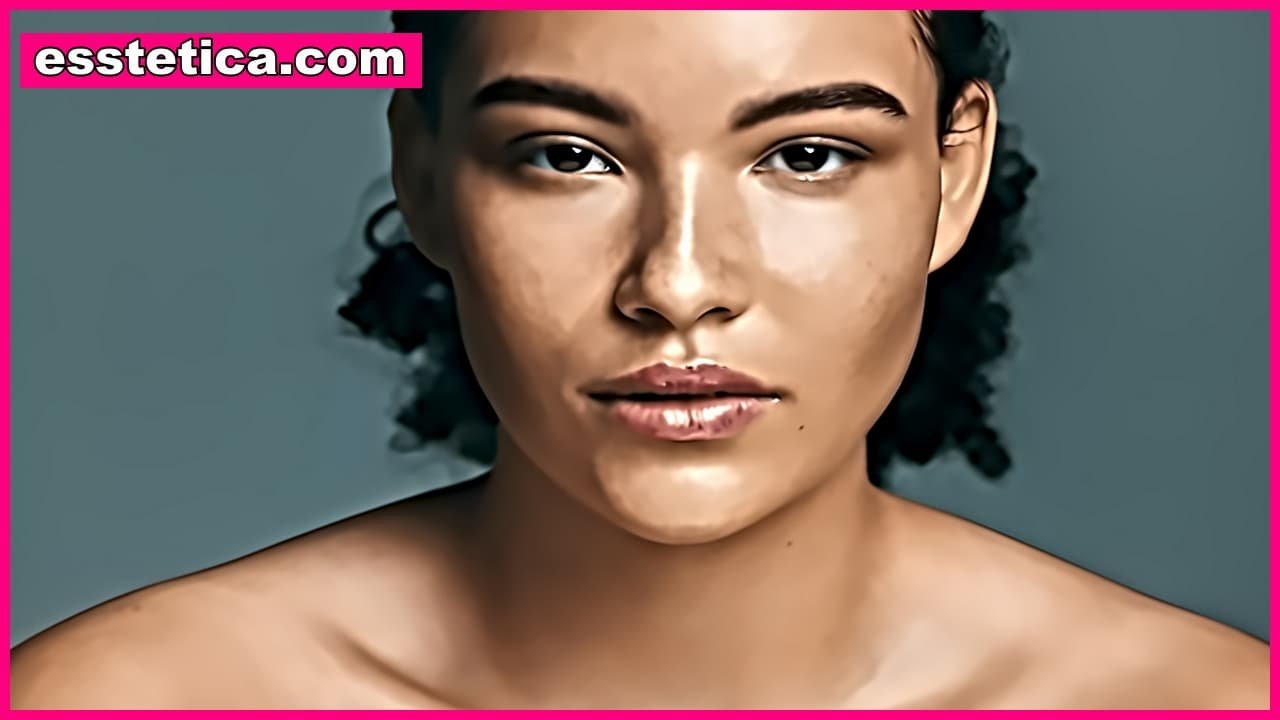


Hormonal Acne: Understanding and Managing Adult Breakouts
Hormonal acne is a common adult skin concern, often linked to fluctuations in hormone levels. Unlike typical teenage acne, this type frequently targets the jawline, chin, and lower face, and can be particularly stubborn and persistent.
Medical Treatments: Targeted Approaches
Effective management usually involves professional intervention, combining topical and oral medications.
Retinoids: Clearing and Calming
Topical retinoids help unclog pores and reduce inflammation, addressing one of the root causes of hormonal acne.
Oral Contraceptives: Hormone Regulation
For individuals who menstruate, certain oral contraceptives can stabilize hormone levels, reducing flare-ups linked to menstrual cycles.
Anti-Androgen Medications
These medications limit the effects of male hormones, decreasing oil production and helping prevent pore blockage.
⚠️ It’s essential to consult a dermatologist to determine the best treatment plan tailored to your skin type and hormone profile.
Lifestyle Strategies: Supporting Medical Care
Medical treatment can be amplified through holistic lifestyle changes.
Stress Management
Practices like yoga, meditation, and mindfulness can balance hormone levels, lowering the frequency and severity of breakouts.
Dietary Adjustments
Limiting dairy intake and avoiding high-glycemic foods may help reduce hormonal acne triggers, though results vary from person to person.
Holistic Approach: Combining Care for Best Results
The key to tackling hormonal acne lies in a comprehensive approach—one that integrates professional medical treatments with lifestyle modifications. By addressing both the biological and environmental factors contributing to hormonal imbalances, you can achieve more consistent, long-lasting improvements in skin clarity and health.
Essential Acne Treatments: Combining Effectiveness and Skin Health
Achieving clear skin isn’t just about fighting breakouts—it’s about maintaining overall skin health while targeting acne. Using the right products ensures your skin stays balanced, nourished, and protected throughout treatment.
Cleansers and Exfoliants: The Foundation of Acne Care
The first step in any acne-fighting routine is proper cleansing and exfoliation.
Gentle Cleansers
Choose cleansers that remove dirt, oil, and debris without stripping or irritating the skin. Overly harsh cleansers can worsen inflammation and trigger more breakouts.
Exfoliants
Regular exfoliation helps eliminate dead skin cells that clog pores. Ingredients like salicylic acid or benzoyl peroxide are particularly effective, penetrating pores and reducing acne-causing bacteria.
Moisturizers: Hydration Without Compromise
Even acne-prone skin needs moisture.
Non-Comedogenic Formulas
Opt for oil-free, non-comedogenic moisturizers that nourish the skin without blocking pores. Proper hydration helps balance oil production and prevent further breakouts.
Sunscreen: Protecting Sensitive Skin
Many acne treatments make the skin more sensitive to UV rays, making sun protection critical.
Broad-Spectrum Protection
Select a sunscreen with SPF 30 or higher. Daily use shields the skin from sun damage and prevents hyperpigmentation, especially on areas affected by acne.
Targeted Active Ingredients: Enhancing Skin Recovery
Certain ingredients do more than just prevent breakouts—they support skin healing and protection.
Antioxidants
Vitamin C and other antioxidants protect against environmental damage, promote healing, and brighten the complexion.
Niacinamide
Renowned for its anti-inflammatory properties, niacinamide can reduce redness, calm irritation, and improve overall skin texture.
Personalized Approach: Tailoring Products to Your Skin
No two skin types are exactly alike. Consider your unique concerns, such as sensitivity, dryness, or oiliness, when choosing products. Selecting treatments aligned with your skin type ensures maximum effectiveness without unnecessary irritation.
Bottom Line
A well-chosen combination of cleansers, exfoliants, moisturizers, sunscreens, and targeted actives can effectively combat acne while maintaining healthy, resilient skin. The key lies in consistency, careful selection, and adapting your routine to your skin’s individual needs.
✅ Struggling with acne? Discover the 2 natural solutions I personally recommend:
👉 Get Ninja Health Now — Launch Your Health Site in 60 Seconds
Adult Acne: Understanding the Root Causes
Acne isn’t just a teenage problem. Adult acne can arise from a complex interplay of hormones, lifestyle choices, and environmental factors. Identifying the underlying triggers is essential for crafting an effective treatment plan.
Hormonal Shifts: The Invisible Instigator
Hormonal fluctuations, especially in women, are a major contributor to adult acne.
Increased Oil Production
Hormonal changes can stimulate the sebaceous glands, leading to excess oil production, clogged pores, and subsequent breakouts.
Menstrual Cycle and Beyond
Many women notice flare-ups before or during their menstrual cycles, but hormonal acne can also be influenced by pregnancy, menopause, or endocrine disorders.
Stress: The Cortisol Connection
Stress does more than affect your mood—it can directly impact your skin.
Cortisol and Acne
Elevated cortisol levels can trigger inflammation and oil overproduction, exacerbating existing acne and sometimes creating new lesions.
Diet and Lifestyle: What You Eat Matters
Nutrition and daily habits can influence acne severity.
High-Glycemic Foods and Dairy
Foods that spike blood sugar or contain dairy have been linked to increased acne in some individuals. Moderating these foods may help reduce breakouts.
Lifestyle Choices
Harsh skincare products, excessive touching of the face, or irregular sleep patterns can also contribute to acne development.
Environmental and Genetic Factors
Other less obvious triggers play a role as well.
Pollutants and Irritants
Environmental contaminants can clog pores and irritate the skin, making acne worse.
Medications and Genetics
Certain drugs may have acne as a side effect, while genetic predisposition can make some people more susceptible to adult acne regardless of lifestyle habits.
Bottom Line
Adult acne is rarely caused by a single factor. It results from a combination of hormonal fluctuations, stress, diet, environmental exposure, and genetic predisposition. Understanding these causes allows individuals to make informed choices about skincare, diet, and lifestyle, leading to more effective acne management and clearer skin.
✅ Struggling with acne? Discover the 2 natural solutions I personally recommend:
👉 Get Ninja Health Now — Launch Your Health Site in 60 Seconds