
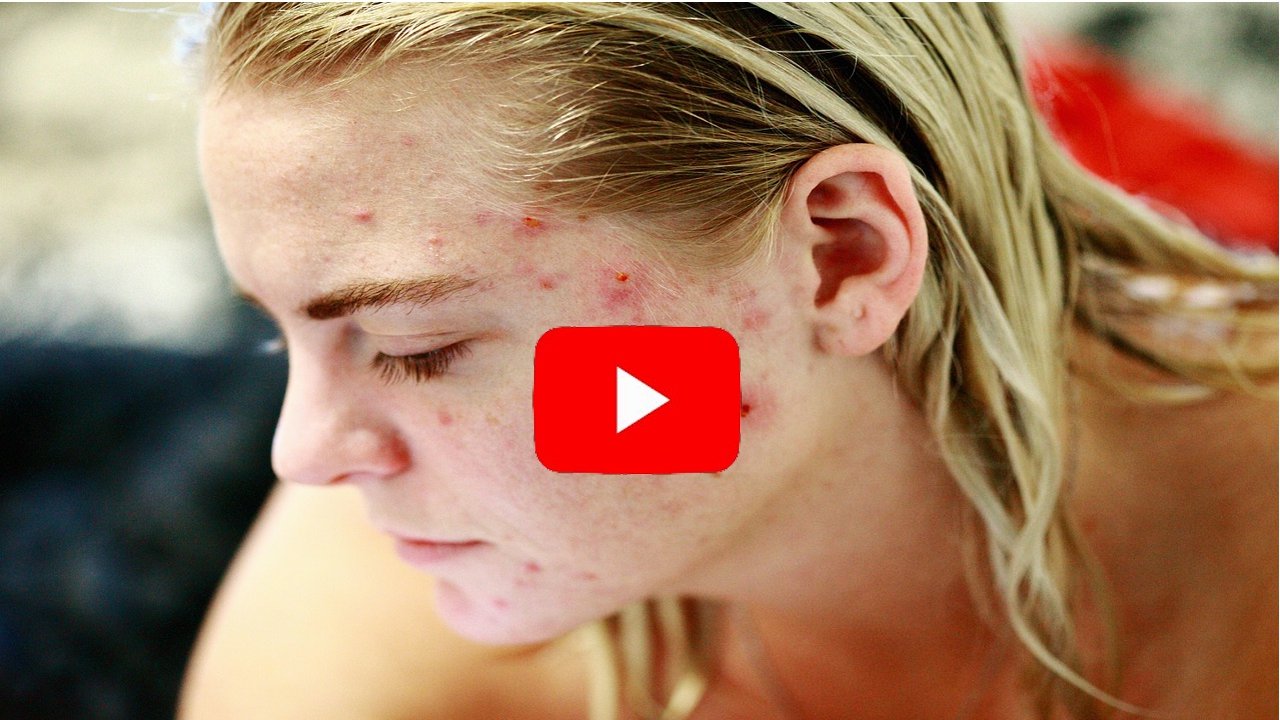

Understanding the Link Between Hormonal Imbalance and Acne
Hormonal acne is a multifaceted skin condition that predominantly affects individuals experiencing fluctuations in their hormonal levels, often during puberty, menstrual cycles, pregnancy, or due to underlying hormonal disorders. The connection between hormones and skin health is intricate, involving multiple endocrine pathways that influence the skin’s appearance and condition. Recognizing this link is fundamental for anyone seeking effective management strategies for hormonal acne, especially those inclined towards natural, diet-based solutions. Hormones such as androgens, insulin, and cortisol play pivotal roles in regulating sebum production, inflammation, and the rate of skin cell turnover. Elevated androgen levels, for example, stimulate the sebaceous glands to produce excess sebum, creating an environment conducive to bacterial growth and pore blockage. Similarly, insulin spikes—often triggered by high carbohydrate intake—can lead to increased androgen production, further aggravating skin issues. Cortisol, the stress hormone, can exacerbate inflammation and delay skin healing, compounding the problem. Understanding these mechanisms underscores the importance of dietary choices and lifestyle modifications in balancing hormones and promoting healthier skin. By addressing hormonal imbalances through targeted nutrition, individuals can significantly reduce the severity and frequency of breakouts, paving the way for clearer, more resilient skin.
Anti-Inflammatory Foods for Reducing Hormonal Acne
Chronic inflammation is a core factor in the development and persistence of hormonal acne. When the body is in a state of ongoing inflammation, it can lead to increased skin irritation, redness, and swelling, making acne more stubborn and difficult to treat. Incorporating anti-inflammatory foods into your daily diet can serve as a natural approach to calming this inflammatory response, supporting skin healing, and reducing the severity of breakouts. Foods rich in antioxidants are particularly effective because they neutralize free radicals that cause oxidative stress, which damages skin cells and exacerbates inflammation. Berries such as blueberries, strawberries, and raspberries are packed with antioxidants like anthocyanins and vitamin C, which help combat oxidative stress. Leafy greens like spinach, kale, and Swiss chard contain a wealth of anti-inflammatory compounds, vitamins, and minerals that support overall skin health. Omega-3 fatty acids, primarily found in fatty fish such as salmon, mackerel, and sardines, are potent anti-inflammatory agents that help reduce redness and swelling. Spices like turmeric and ginger contain bioactive compounds—curcumin and gingerol—that have been shown to significantly decrease inflammation. Green tea, rich in polyphenols, offers additional anti-inflammatory benefits. By emphasizing these foods, individuals can help soothe irritated skin, diminish inflammation, and create an internal environment that promotes healing and clarity over time.
Hormone Balancing Foods to Support Skin Health
Dietary choices play a crucial role in maintaining hormonal equilibrium, which is essential for managing hormonal acne. Certain foods contain specific nutrients that support endocrine health, stabilize hormone levels, and enhance the body’s natural ability to detoxify and regulate hormonal activity. Cruciferous vegetables, such as broccoli, cauliflower, Brussels sprouts, and kale, are rich in compounds like indole-3-carbinol and sulforaphane. These substances support liver detoxification processes, which are vital for metabolizing excess hormones and reducing their impact on the skin. Healthy fats from sources like avocados, nuts, seeds, and olive oil provide essential fatty acids necessary for hormone synthesis and cell membrane integrity. Incorporating foods high in zinc, such as pumpkin seeds, lentils, and chickpeas, can help regulate oil production by modulating androgen activity and reducing inflammation. High-fiber foods like oats, chia seeds, and sweet potatoes help stabilize blood sugar levels, preventing insulin spikes that can trigger excess androgen production. Regular consumption of these hormone-balancing foods creates a more harmonious internal environment, reducing the hormonal triggers that lead to acne and supporting overall skin resilience and vitality.
Exploring Dairy Alternatives for Acne-Prone Skin
For individuals sensitive to dairy or seeking to reduce their dairy intake due to its potential hormonal effects, choosing the right dairy alternatives is a vital step in an acne management plan. Conventional dairy products, especially milk, contain hormones such as estrogens and androgens, as well as bioactive molecules that can stimulate the skin’s oil glands and promote breakouts. Replacing dairy with plant-based options can significantly lessen hormonal stimulation and reduce inflammation. Nut milks like almond, cashew, and macadamia milk are popular choices because they are naturally free from animal hormones and can be fortified with nutrients beneficial for skin health. Coconut milk offers a rich, anti-inflammatory alternative with natural antimicrobial properties. Seed-based milks, such as hemp and flaxseed milk, are excellent sources of omega-3 fatty acids, which help reduce skin inflammation and support barrier function. When selecting dairy alternatives, it is important to opt for unsweetened varieties free from additives, preservatives, or added sugars that could trigger skin reactions or exacerbate hormonal imbalances. Transitioning to these alternatives not only reduces hormonal load on the skin but also introduces beneficial nutrients that support overall health and clarity.

✅ Struggling with acne? Discover the 2 natural solutions I personally recommend 👉CLICK HERE
👉 Get Ninja Health Now — Launch Your Health Site in 60 Seconds
The Impact of Hormones on Skin and Why Diet Matters
Hormones exert a profound influence on skin health, affecting processes such as sebum production, skin cell renewal, and immune response. Elevated levels of androgens increase sebum secretion, leading to clogged pores and providing an ideal environment for bacteria like Propionibacterium acnes to thrive. Cortisol, often elevated due to stress, can worsen inflammation and delay the skin’s healing process. Insulin resistance, which is frequently linked to poor dietary habits, can disrupt hormonal balance further by increasing androgen levels and promoting inflammation. These hormonal effects underscore the importance of diet in managing skin health. Consuming nutrient-dense, balanced meals can help regulate hormone levels, reduce inflammation, and support the skin’s natural repair mechanisms. A diet rich in fiber, healthy fats, and antioxidants can modulate hormonal fluctuations, prevent insulin spikes, and support detoxification pathways. Understanding the hormonal impact on skin emphasizes that dietary interventions are not merely superficial but form a fundamental component of a comprehensive approach to achieving clearer, healthier skin.
Skin Clearing Foods for a Radiant Complexion
To accelerate skin healing and achieve a radiant, glowing complexion, it is essential to incorporate skin clearing foods into your daily nutrition plan. These foods are rich in antioxidants, vitamins, and minerals that support skin repair, reduce oxidative stress, and promote a luminous appearance. Citrus fruits like oranges, grapefruits, and lemons are high in vitamin C, which is crucial for collagen synthesis and maintaining skin elasticity. Carrots, sweet potatoes, and butternut squash provide beta-carotene, a precursor to vitamin A, which protects skin cells from damage and supports regeneration. Fermented foods such as sauerkraut, kimchi, and kefir contain probiotics that enhance gut health—an increasingly recognized factor in skin health—by balancing the microbiome and reducing systemic inflammation. Staying well-hydrated with water and herbal teas helps flush toxins and maintains optimal skin moisture levels. Incorporating these skin-friendly foods into your diet can help reduce inflammation, improve skin texture, and promote a radiant, youthful glow from within.
Delicious Dairy-Free Recipes for Hormonal Acne Relief
Creating enjoyable, nutritious dairy-free meals is fundamental to adhering to an acne-friendly diet. Breakfast options like smoothies made with plant-based milks, berries, spinach, and chia seeds provide a nutrient-dense start to the day. For lunch, a hearty salad featuring mixed greens, ripe avocado, chickpeas, and a lemon-tahini dressing offers a balanced mix of healthy fats, fiber, and plant-based protein. Dinner recipes such as grilled salmon served with roasted vegetables or stir-fries with tofu and colorful bell peppers supply essential omega-3 fatty acids and antioxidants that combat inflammation. Snacks like raw nuts, fresh fruits, or vegetable sticks with hummus are satisfying and help maintain stable blood sugar levels, reducing the risk of breakouts. Planning meals around whole, unprocessed ingredients minimizes exposure to potential irritants and hormonal disruptors, supporting long-term skin health and hormonal balance. With creativity and mindfulness, delicious dairy-free recipes can become a sustainable and enjoyable part of your journey toward clearer, healthier skin.
The Hormonal Imbalance Diet: Principles and Guidelines
The hormonal imbalance diet is centered around principles that support endocrine health, stabilize blood sugar, and reduce systemic inflammation. It emphasizes the importance of consuming a variety of nutrient-dense foods, including healthy fats, high-fiber vegetables, lean proteins, and antioxidant-rich fruits. Processed foods, refined sugars, trans fats, and artificial additives are to be avoided, as they can disrupt hormonal harmony and promote inflammation. Regular meal timing and mindful eating practices help prevent insulin spikes and hormonal fluctuations. Adequate hydration, stress management, and sufficient sleep are integral components of this dietary approach, as they influence hormonal regulation and overall well-being. Personalization is key—adapting the diet to individual sensitivities, preferences, and lifestyle factors ensures sustainability and effectiveness. Embracing these principles can lead to a significant reduction in hormonal acne severity, improved energy levels, and a greater sense of balance and vitality.
The Clear Skin Diet: A Holistic Approach to Achieving Radiance
The clear skin diet embodies a holistic approach that integrates nourishing foods, lifestyle modifications, and mindful habits to achieve and sustain radiant skin. It involves prioritizing anti-inflammatory and hormone-balancing foods, reducing exposure to potential irritants, and supporting gut health through probiotics and fiber. Regular physical activity, stress reduction techniques such as meditation or yoga, and adequate sleep are essential complements to dietary efforts, creating a synergistic effect on hormone regulation and skin health. Personalization and consistency are vital; each individual’s skin responds uniquely to different foods and routines. Patience is also critical, as skin healing and hormonal rebalancing require time and dedication. By adopting this comprehensive approach, individuals can experience not only clearer, more luminous skin but also improved overall health, energy, and emotional well-being. This journey toward beauty from within fosters confidence, resilience, and a sustainable lifestyle rooted in nourishing choices and self-care.
✅ Struggling with acne? Discover the 2 natural solutions I personally recommend 👉CLICK HERE
👉 Get Ninja Health Now — Launch Your Health Site in 60 Seconds