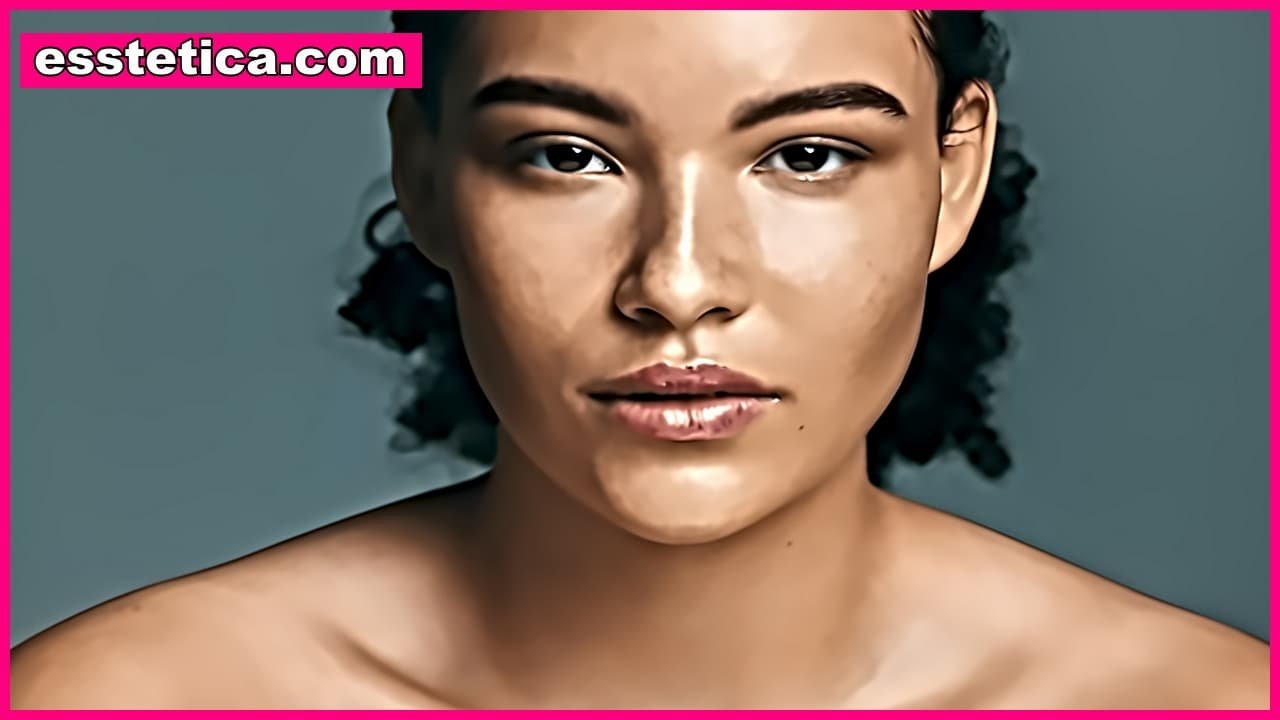


Hormonal Surges, Unexpected Breakouts, and Daily Struggles
Pregnancy acne sneaks in with surprising intensity. One day, your skin feels normal; the next, red bumps, tender nodules, and stubborn blackheads erupt seemingly overnight. The emotional toll often rivals the physical irritation. A clear complexion might feel like a distant memory, replaced by a sudden landscape of papules and comedones. But what exactly triggers these breakouts—and how can you soothe your skin when so many treatments are off-limits?
What Exactly Is Pregnancy Acne? Prevalence and First Clues
Pregnancy acne refers to breakouts that emerge during gestation, often on the face, jawline, chest, shoulders, or back. Roughly 43% of pregnant people experience this skin disruption, usually before the end of the first trimester.
Even those with previously clear skin are not immune. Hormonal flux—mainly surges of androgens and progesterone—stimulates oil production. The result is a mix of papules, pustules, blackheads, and microcysts. These changes may seem abrupt, but biologically, they follow predictable hormonal patterns.
What Sparks Pregnancy Acne? Hormones, Stress, and Beyond
Hormonal Changes: The Unseen Agitators
Pregnancy hormones rev up sebaceous glands, creating a perfect storm for acne. Progesterone drives excess oil production, while shifts in skin cell turnover contribute to clogged pores. Bacteria like Cutibacterium acnes find fertile ground, igniting inflammation.
Stopping hormonal contraceptives before conception can further destabilize the system, sometimes leading to sudden flare-ups.
Risk Factors Intertwined
-
Genetics: Family history of hormonal acne increases susceptibility.
-
Stress: Elevated cortisol may amplify inflammation.
-
Diet: High-glycemic foods trigger insulin spikes, boosting sebum. Low zinc or excess saturated fats can worsen breakouts.
-
Skincare Habits: Heavy, oily products or over-cleansing can aggravate acne.
-
Environment: Sun may dry skin temporarily but often causes rebound oiliness.
Symptoms: Identifying the Markers of Pregnancy Acne
Where Skin Speaks Loudest
-
Cheeks, chin, jawline
-
Forehead and nose area
-
Back and shoulders
-
Chest and décolletage
-
Occasionally, hairline and neck
Lesions range from whiteheads and blackheads to deeper nodules, sometimes leaving pigmentation or scars if picked.
Distinguishing From Other Conditions
Pregnancy acne presents a mix of comedones and inflammatory papules—not to be confused with melasma, rosacea, or fungal folliculitis. Persistent or severe nodules should be assessed by a dermatologist.

Preventing Pregnancy Acne: Medically-Informed Steps
-
Cleansing: Twice daily with a soap-free, gentle gel. Avoid over-washing.
-
Moisturizing: Non-comedogenic, fragrance-free creams.
-
Exfoliation: Skip abrasive scrubs; gentle, rare exfoliation only.
-
Sun Protection: Broad-spectrum SPF 30–50 to prevent rebound oiliness.
-
Hands-Off Policy: Avoid popping pimples to reduce scarring.
-
Pillowcases & Hair: Change pillowcases often; keep hair clean and away from the face.
-
Diet: Focus on low-glycemic foods, zinc-rich foods (eggs, seafood, lentils), and omega-3s (flax, walnuts, fatty fish).
-
Stress Management: Gentle yoga, deep breathing, walking—all help skin self-regulate.
Safe and Natural Soothing: Evidence-Based Home Care
-
Gentle cleansing with pH-balanced gel.
-
Hydrate with jojoba or evening primrose oil in small amounts.
-
Weekly green clay or rhassoul masks to absorb excess oil.
-
Aloe vera gel to calm mild redness or irritation.
-
Mild homemade remedies: diluted apple cider vinegar, raw honey masks, oatmeal, cucumber. Avoid harsh acids or untested essential oils.
⚠️ Persistent or severe cases still need professional guidance.
✅ Struggling with acne? Discover the 2 natural solutions I personally recommend:
👉 Get Ninja Health Now — Launch Your Health Site in 60 Seconds
Medications and Clinical Treatments: What’s Approved?
Safe Options
-
Topical benzoyl peroxide (localized)
-
Azelaic acid
-
Prescription topical clindamycin or erythromycin (with caution)
-
Oral zinc (after medical review)
Strictly Avoid
-
All retinoids (isotretinoin, tretinoin)
-
Oral tetracyclines, spironolactone
-
High-dose salicylic acid or risky essential oils
Professional treatments like blue light therapy, Nd:YAG laser, gentle peels may be options under supervision.
Crafting a Pregnancy-Safe Skincare Routine
-
Cleanse twice daily, soap-free
-
Moisturize lightly, fragrance-free
-
Apply clay mask biweekly
-
Broad-spectrum sun protection every morning
-
Gentle exfoliation once every 10–15 days
Balance this with sleep, nutrition, and stress management—foundational for both skin and baby.
Emotional Dimensions: More Than Cosmetic
Pregnancy acne affects more than the skin. Self-esteem dips, mood fluctuations, and social anxiety are common. Most cases fade postpartum. Seeking support—family, peers, or counselors—helps buffer emotional stress.
Shattering Myths: Separating Fact from Fiction
-
Baby’s gender: Acne does not predict it.
-
Mandatory effect: Some have none, some mild, some severe.
-
Home remedies: Not all are safe—stick to evidence-based options like aloe vera, clay, and mild oils.
Postpartum Acne: What If Breakouts Persist?
-
Hormones gradually normalize, but some experience lingering acne.
-
Escalating or chronic cases warrant a dermatologist.
-
Postpartum-safe medications include selected topical agents; isotretinoin remains off-limits.
Key Takeaways
-
Pregnancy acne stems from hormonal surges increasing sebum.
-
~43% of expectant parents experience it.
-
Genetics, stress, diet, environment, and skincare practices influence severity.
-
Safe management centers on gentle routines, diet, stress control, and sun protection.
-
Evidence-backed natural solutions provide mild but meaningful support.
-
Professional guidance is essential for persistent, severe, or unusual acne.
-
Emotional well-being is intimately connected—seek support as needed.
Questions Parents Ask
Can pregnancy acne predict the baby’s gender?
No. Hormonal changes, not gender, trigger breakouts.
What supplements are safe for skin health during pregnancy?
Zinc may help, but always consult a healthcare provider before starting anything.
Can acne appear outside the face?
Yes—common on back, shoulders, and chest. Gentle care and patience help.
✅ Struggling with acne? Discover the 2 natural solutions I personally recommend:
👉 Get Ninja Health Now — Launch Your Health Site in 60 Seconds