
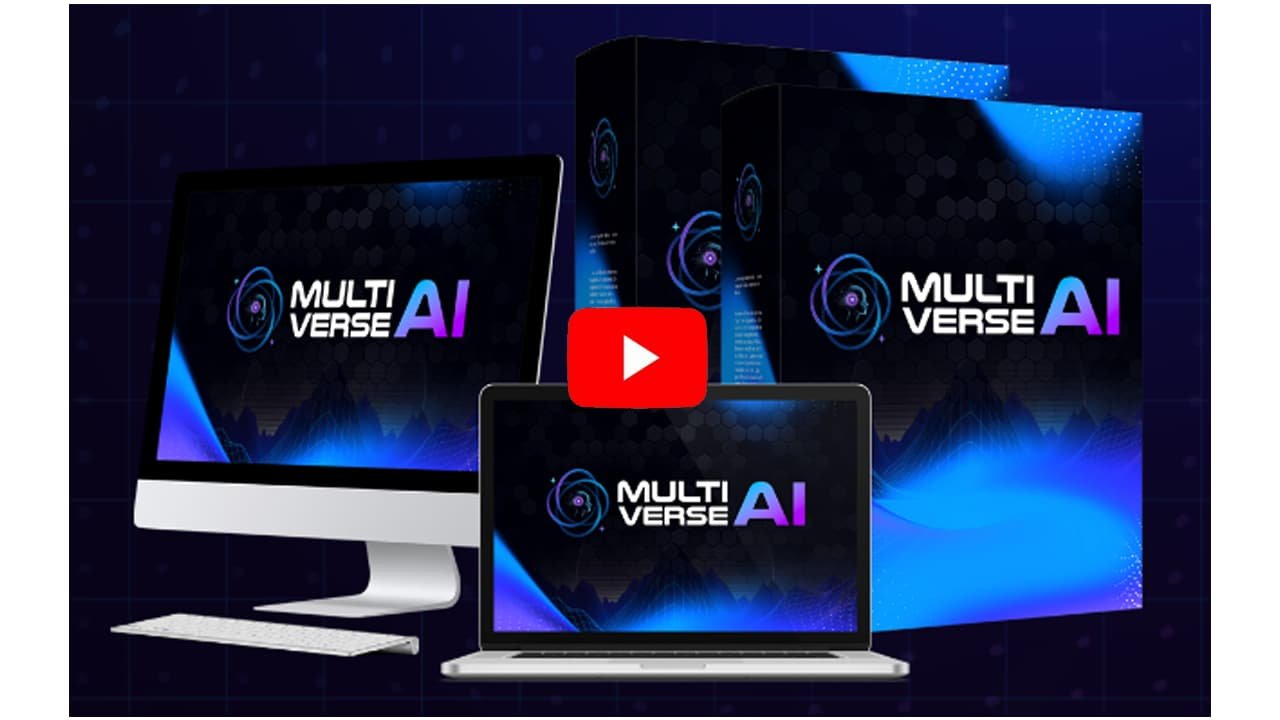

ChatGPT Alternatives: Exploring New Horizons in AI Accessibility
Artificial Intelligence is moving faster than ever—and so are the ways we interact with it. For years, ChatGPT by OpenAI set the benchmark for conversational AI, making it easy for millions to write, learn, and create with natural language. Its intuitive interface and powerful capabilities reshaped industries—from customer service to education, content creation to personal productivity.
But there’s a catch. Most mainstream platforms are built on subscription-based models. While effective, they raise tough questions: Is AI affordable for everyone? Who controls the access? And what about flexibility? These concerns have fueled a growing appetite for new approaches—more open, more inclusive, and more decentralized. Out of this demand, a rich landscape of ChatGPT alternatives has emerged, each pushing AI accessibility into fresh territory.
Open-Source Models: Freedom to Build and Customize
One of the most exciting directions in AI accessibility is the rise of open-source models.
GPT-Neo, GPT-J, and Beyond
Projects like GPT-Neo and GPT-J offer robust language-processing capabilities that rival commercial systems. Unlike closed platforms, these models can be deployed locally or on private servers, giving users unprecedented control.
Privacy + Cost Advantages
By bypassing commercial licenses and recurring subscriptions, open-source AI dramatically reduces costs. It also enhances privacy and security, since sensitive data doesn’t need to pass through third-party providers.
Decentralized AI: Breaking Away from Central Control
Beyond open source, another revolution is underway: decentralization.
AI Without a Single Gatekeeper
Decentralized AI networks distribute computational resources across global nodes rather than relying on a single cloud provider. This approach reduces dependency, increases resilience, and ensures no single corporation dominates access.
Inclusive by Design
Because resources are shared, decentralized AI opens the door for wider participation, making advanced AI less exclusive and more collaborative.
Rethinking Business Models: Tokens, Freemium, and Flexibility
Accessibility isn’t just about technology—it’s about how users pay and engage.
Token-Based Systems
Instead of fixed subscriptions, some platforms experiment with token economies. Users purchase or earn tokens, then spend them to access AI services. It’s flexible, scalable, and more user-friendly for those who don’t need constant access.
Freemium + Microtransactions
Others lean on the freemium model—providing a basic tier for free, often supported by ads or microtransactions, while charging for advanced features. This opens AI to a broader audience without excluding those who can’t afford premium plans.
A Growing Ecosystem of Possibilities
What’s emerging isn’t one single “ChatGPT competitor,” but a vibrant ecosystem of alternatives.
-
Developers gain the freedom to customize.
-
Small businesses access AI without enterprise-level budgets.
-
Communities worldwide collaborate to create more inclusive and resilient AI solutions.
This shift is more than technological—it’s cultural. By broadening access and diversifying approaches, these alternatives encourage community-driven AI development, where creativity thrives and barriers fall.
The Road Ahead: Inclusivity, Customization, and Collective Progress
The landscape of ChatGPT alternatives signals a new era for artificial intelligence. It’s one where tools are not only powerful but also accessible, affordable, and adaptable.
As these solutions mature, they will unlock opportunities for individuals, educators, startups, and enterprises alike. More importantly, they’ll reshape how society interacts with AI, fostering innovation that reflects a wider range of voices and needs.
✨ The future of AI isn’t just about smarter machines—it’s about smarter access. And with every new alternative, we get one step closer to a world where AI belongs to everyone.

Multiverse AI: The Visionary Paradigm Transforming AI Access and User Experience
At the cutting edge of next-generation artificial intelligence lies Multiverse AI, a groundbreaking concept that imagines a sprawling, interconnected ecosystem of autonomous AI entities operating across multiple realities—or “universes.” Unlike conventional AI models, which rely on centralized servers or singular platforms, Multiverse AI proposes a decentralized, multi-dimensional network where specialized AI agents communicate, collaborate, and share knowledge seamlessly across diverse domains. This ambitious paradigm is set to fundamentally reshape how users access, interact with, and benefit from AI technologies, creating an environment of unprecedented flexibility, resilience, and personalization.
The Core Philosophy: Intelligence Beyond Boundaries
At the heart of Multiverse AI lies a belief: intelligence should never be confined to a single platform, nor controlled by one entity.
An Interconnected Ecosystem of Agents
Instead of isolated systems, Multiverse AI envisions a network of AI agents that dynamically adapt to user needs and environmental changes. Each agent can specialize in a distinct domain—whether language understanding, data analysis, creative generation, or problem-solving—while remaining fully capable of collaborating with other agents across universes.
Adaptive, Scalable, and Personalized
This interconnected structure creates a highly adaptive ecosystem, allowing users to access a vast array of AI services tailored precisely to their preferences, cultural contexts, and operational requirements. The result is not just smarter AI, but AI that feels personal, intuitive, and context-aware.
User Empowerment: Control, Creativity, and Innovation
One of the most compelling aspects of Multiverse AI is its focus on user empowerment.
Decentralization and Ownership
By removing centralized control, individuals and organizations gain greater autonomy over their data, privacy, and AI tools. Users can dictate how, when, and why AI is applied, a radical departure from traditional, opaque AI services.
A Platform for Innovation
Developers are encouraged to contribute new modules or enhance existing agents within the ecosystem, forming a rich tapestry of customizable AI capabilities. This participatory approach enables real-time innovation, creating a flexible and resilient infrastructure capable of evolving rapidly in response to emerging challenges.
Breaking Free from Traditional Subscription Models
Multiverse AI also redefines access and affordability.
Flexible Access Mechanisms
Rather than paying fixed fees for a single service, users may acquire AI capabilities through tokens, microtransactions, or community-driven exchanges. This peer-to-peer approach keeps access equitable, scalable, and aligned with the principles of decentralization.
Participatory and Inclusive Culture
By encouraging active contribution, the system transforms users from passive consumers into co-creators, enabling them to shape, expand, and refine the ecosystem with every interaction.
A Transformative Vision for the Future
In essence, Multiverse AI embodies a bold, transformative vision:
-
AI democratized and accessible to all.
-
Decentralized systems that are flexible, resilient, and adaptive.
-
A collaborative network that encourages innovation and creativity.
By transcending the limitations of centralized systems, Multiverse AI aims to unlock a new era of collaboration, empowerment, and inclusion, ultimately shaping a more dynamic, equitable, and intelligent AI future for humanity.
✨ Multiverse AI is not just a concept—it is a blueprint for a world where artificial intelligence serves, adapts to, and empowers every human endeavor.
Unlock the Power of Multiverse AI Today!
Experience the future of artificial intelligence with Multiverse AI 2025—your all-in-one platform for AI-driven innovation, automation, and creativity. Whether you’re a beginner, entrepreneur, or tech professional, Multiverse AI empowers you to access multiple AI models, generate content, automate tasks, and accelerate growth—all without monthly fees.👉 Don’t miss out: Get started with Multiverse AI now and join thousands of users transforming their workflows, boosting productivity, and exploring limitless possibilities.
AI Access Control: Ensuring Security, Privacy, and Fair Usage in a Multiverse AI World
As AI ecosystems expand through visionary frameworks like Multiverse AI, the importance of robust access control mechanisms cannot be overstated. AI access control defines who can use AI services, how they can be used, and under what conditions, serving as the backbone of a secure, fair, and trustworthy AI environment. In a decentralized, multi-node ecosystem, these controls are critical for safeguarding privacy, preventing misuse, and ensuring equitable resource distribution.
The Foundation: Authentication and Authorization
Traditional approaches—user authentication and authorization—remain essential. However, the complex, interconnected nature of Multiverse AI requires a dramatic evolution of these methods.
Blockchain-Based Identity Verification
By leveraging blockchain technology, user credentials can be managed in a secure, transparent, and tamper-proof manner, across diverse nodes and AI modules. This ensures that identity management is both reliable and resistant to centralized failure or manipulation.
Smart Contracts for Automated Access
Smart contracts automate access rights, enforce usage policies, and facilitate microtransactions seamlessly. This reduces dependency on intermediaries while building a trustworthy, self-regulating ecosystem.
Privacy Preservation: Protecting Data in a Decentralized World
Advanced AI services must operate without compromising user privacy. Several cutting-edge techniques make this possible:
Federated Learning
AI models can learn from data stored locally on users’ devices, minimizing the risk of centralized data exposure.
Differential Privacy
By introducing controlled noise into datasets, differential privacy ensures that individuals cannot be identified while still enabling meaningful AI insights.
Secure Multi-Party Computation
This technique allows multiple parties to process shared data collaboratively without revealing sensitive information, balancing utility and confidentiality.
Ensuring Fairness: Democratizing Access
Security and privacy are not enough. In a decentralized ecosystem, fairness and inclusivity are equally vital.
Token-Based Access and Community Governance
Mechanisms such as token-based access and community-driven governance prevent monopolization, enabling small players and underserved communities to participate meaningfully.
Open Standards and Transparency
Adopting open standards ensures interoperability and accountability, fostering trust and shared ownership among users.
Balancing Openness, Security, and Innovation
AI access control in a Multiverse AI landscape is a delicate balancing act. It must:
-
Encourage openness and innovation
-
Maintain security and privacy
-
Promote fairness and inclusivity
Achieving this balance requires the integration of cutting-edge technologies, thoughtful policy frameworks, and active community engagement.
Toward a Trustworthy and Equitable AI Future
As Multiverse AI matures, these access control mechanisms will lay the foundation for an ecosystem that is democratized, secure, and ethically managed. Users worldwide, regardless of geographic or socioeconomic boundaries, will benefit from advanced AI technologies while maintaining trust, privacy, and fairness.
✨ In the decentralized multiverse of AI, control is not about restriction—it’s about empowerment, equity, and shared responsibility.
Unlock the Power of Multiverse AI Today!
Experience the future of artificial intelligence with Multiverse AI 2025—your all-in-one platform for AI-driven innovation, automation, and creativity. Whether you’re a beginner, entrepreneur, or tech professional, Multiverse AI empowers you to access multiple AI models, generate content, automate tasks, and accelerate growth—all without monthly fees.👉 Don’t miss out: Get started with Multiverse AI now and join thousands of users transforming their workflows, boosting productivity, and exploring limitless possibilities.
You may also like:
Multiverse AI Lifetime Deal Explained: Unlock the Future of AI
Why Entrepreneurs in 2025 Are Turning to Multiverse AI for Business Success
Multiverse AI vs ChatGPT & Gemini: Is the Lifetime Deal Worth It?
Discover Multiverse AI: Access Multiple AI Models Without Monthly Fees
Multiverse AI Review 2025: Unlock the Power of All-in-One AI for Everyone



[…] Multiverse AI: The Future of Replacing ChatGPT and Other AI Subscriptions […]
[url=https://sugarush1.ru]гортензия шугараш
[/url]
Dokumenty kolekcjonerskie to niezwykle ciekawy obszar dla milosników historii i kultury materialnej. Obejmuje szeroki zakres artefaktów, takich jak stare paszporty, dowody osobiste, prawa jazdy, bilety czy legitymacje. Kolekcjonowanie takich dokumentów moze byc pasjonujacym hobby, pozwalajacym na zglebianie historii i obyczajów róznych epok. Jednakze, ze wzgledu na swój charakter, dokumenty te budza równiez pewne kontrowersje, szczególnie w kontekscie ich ewentualnego wykorzystania w sposób niezgodny z prawem.
Historia dokumentów kolekcjonerskich
Kolekcjonowanie dokumentów ma swoje korzenie w XIX wieku, kiedy to zainteresowanie historia i archeologia zaczelo rosnac wsród zamozniejszych warstw spolecznych. Z czasem, obok starozytnych rekopisów i ksiazek, pojawilo sie równiez zainteresowanie dokumentami o bardziej wspólczesnym charakterze, takimi jak bilety z wydarzen kulturalnych, legitymacje czy inne przedmioty zwiazane z codziennym zyciem.
W XX wieku, zwlaszcza po I wojnie swiatowej, dokumenty takie jak paszporty czy dowody osobiste zaczely byc postrzegane jako cenne pamiatki rodzinne, a takze interesujace obiekty dla kolekcjonerów. Ich wartosc wynikala nie tylko z ich rzadkosci, ale takze z kontekstu historycznego, w jakim powstaly i byly uzywane.
Wartosc dokumentów kolekcjonerskich
Wartosc dokumentów kolekcjonerskich zalezy od wielu czynników, takich jak ich stan, wiek, rzadkosc oraz historyczne znaczenie. Na przyklad, paszport z okresu miedzywojennego nalezacy do znanej postaci historycznej moze osiagnac na aukcjach wysoka cene. Z kolei bilety z waznych wydarzen sportowych czy koncertów moga byc poszukiwane przez kolekcjonerów z calego swiata.
Wartosc dokumentów czesto wzrasta, gdy sa one zwiazane z waznymi momentami w historii, takimi jak wojny, rewolucje, czy zmiany polityczne. Na przyklad, dokumenty z czasów PRL-u, takie jak legitymacje partyjne czy przepustki graniczne, moga byc szczególnie cenione przez kolekcjonerów zainteresowanych historia Polski.
czytaj dalej
https://dyplomik.com/pl/