
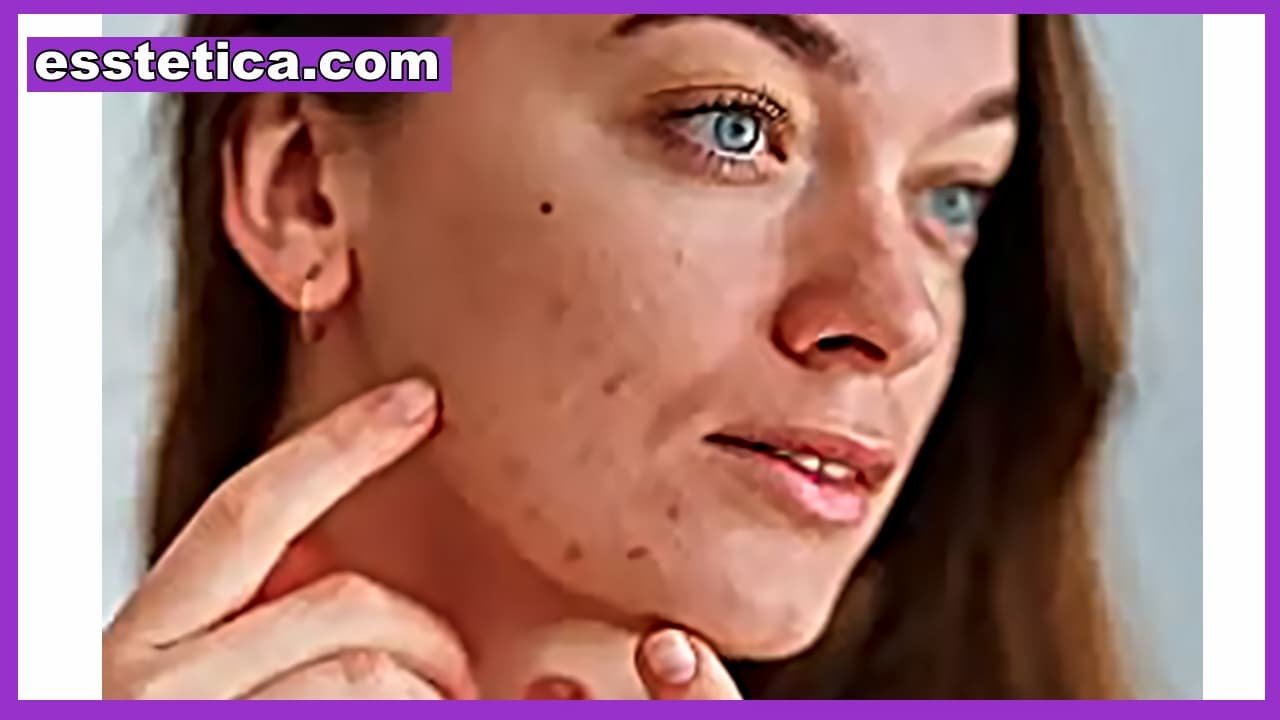

Acne. A tiny four-letter word with an oversized impact. Nearly everyone forms a relationship with it at some point — often in those awkward teenage years when everything is already chaotic. Many people assume that once puberty settles and adulthood begins, acne politely packs its bags and leaves. A farewell gift from adolescence.
But millions of adults discover a much different truth. Acne can linger like an overstayed guest… or even appear for the first time after age 25.
Teen acne and adult acne might look similar from the outside — pimples, clogged pores, red bumps — yet beneath the surface, their causes, patterns, and treatment needs diverge like two entirely different stories. Understanding the differences isn’t just interesting — it’s essential for choosing the right solutions.
Let’s dive into the unique worlds of teen vs. adult acne, uncovering what makes each one tick and how to navigate them with clarity and confidence.
The Hormonal Roller Coaster: Teens Are Just Getting Started
Teen acne typically begins when puberty unleashes a hormonal tidal wave. Androgens — hormones like testosterone — surge. Oil glands wake up aggressively. Pores flood with thick sebum they can’t handle yet.
This sudden oil boom leads to:
-
Whiteheads and blackheads across the T-zone
-
Pores clogging faster than they clear
-
Bacteria thriving in this new environment
-
Frequent breakouts, sometimes daily or weekly
Teen skin is active skin — manufacturing oil with enthusiasm, constantly shedding skin cells, still learning to regulate itself.
Adult hormones? Much trickier.
Adults don’t experience one giant hormone surge. Instead, hormones fluctuate due to:
-
Menstrual cycles
-
Pregnancy and postpartum shifts
-
Perimenopause
-
Stress hormones (cortisol loves chaos)
-
Hormonal conditions like PCOS
-
Starting or stopping birth control
These slower, subtler changes can trigger deep, painful cysts — especially around the jawline and chin. It’s not an oil overload anymore; it’s a hormone imbalance throwing a wrench into skin stability.
Where Acne Shows Up: Location Matters
There’s a big difference in the map of breakouts.
Teen acne’s favorite territory:
✔️ Forehead
✔️ Nose
✔️ Cheeks
✔️ Entire face and sometimes chest/back
Basically, the zones where oil glands are most active.
Adult acne’s favorite territory:
✔️ Jawline
✔️ Chin
✔️ Neck
✔️ Lower cheeks
This bottom-half pattern reflects a strong hormonal influence — deeper oil glands, stress responses, and often inflammation at the root.
Type of Breakouts: Surface vs. Subsurface
Teen acne tends to be:
-
Blackheads
-
Whiteheads
-
Small inflamed pimples
It’s visible at the surface and responds relatively quickly to treatment.
Adult acne?
-
Deep cysts under the skin
-
Tender nodules
-
Inflammation that feels like a bruise
-
Pimples that last forever
-
Post-acne marks long after the bump disappears
Adult breakouts are often slow, stubborn, and significantly more painful.

Skin Type Differences: Oil vs. Sensitivity
Teen skin = tough, oily, fast-healing.
Adult skin = drier, thinner, more easily irritated.
Adults are more prone to:
-
Skin dehydration
-
Hyperpigmentation after pimples
-
Sensitivity to active ingredients
-
Slower healing time
This means treatments that worked perfectly at 16 can backfire at 30 — causing redness, dryness, or even more inflammation.
Lifestyle Factors Shift the Acne Equation
Teen acne is heavily driven by biology — puberty hits, and the skin reacts. Teens may have stress too (exams, friend drama), but the body rebounds quickly.
Adults face an entirely different battlefield:
-
Job pressure
-
Long-term stress exposure
-
Poor sleep habits
-
Pollution
-
Hormonal birth control changes
-
Less time for consistent skincare
-
New diets and gut-skin imbalances
The long-term nature of adult stress keeps cortisol high, throwing oil glands into a constant state of disorder.
Cosmetics and Skincare: Treatments vs. Triggers
Teenage skincare routines are often minimal — maybe just a cleanser and whatever mom bought at the store. Simple isn’t always perfect, but there’s less room for error.
Adults? Different story.
Serums. Foundations. SPFs. Exfoliating acids. Anti-aging creams. Night masks.
Great tools… if they’re chosen wisely.
Certain products quickly become acne-worsening traps:
-
Heavy moisturizers
-
Comedogenic makeup
-
Hair products touching the skin
-
Over-exfoliation stripping the barrier
-
Fragrance irritants
Adults are more vulnerable to irritation, and inflammation feeds acne like oxygen feeds fire.
Diet: A Bigger Role in Adulthood
Teenagers can eat pizza, fries, and milkshakes and still bounce back.
Adults… not so much.
For some, these dietary triggers can spark flare-ups:
-
High sugar foods
-
Dairy (especially skim milk)
-
Whey protein supplements
-
Excessive fast food
The gut-skin connection grows stronger with age, making nutrition part of the acne conversation.
Emotional Impact: Then vs. Now
Teen acne arrives during a vulnerable identity-forming phase, which can feel emotionally overwhelming. Social pressures, insecurity, and self-image struggles may intensify each breakout.
However… adult acne carries its own unique emotional weight.
Adults often feel:
-
Confused — “Why is this happening now?”
-
Frustrated — after years of clear skin
-
Embarrassed — at work or in professional settings
-
Defeated — after trying countless products
-
Ashamed — despite knowing it isn’t their fault
A pimple at 14 feels inevitable.
A pimple at 34 feels unfair.
Treatment Approaches Must Change Too
What works for teen acne may not work — or could worsen — adult acne.
Teen acne plan:
-
Benzoyl peroxide
-
Strong salicylic acid formulas
-
Oil-reducing topicals
-
Frequent exfoliation
Teen skin can tolerate this rougher approach.
Adult acne plan:
-
More gentle, barrier-supportive skincare
-
Ingredients that reduce inflammation
-
Hormonal balance considerations
-
Slower, progressive treatment
Adults benefit from:
| Ingredient | Target Benefit |
|---|---|
| Retinoids | Prevent clogged pores + reduce wrinkles |
| Niacinamide | Calm inflammation + strengthen skin |
| Azelaic Acid | Fade marks + fight acne bacteria |
| Ceramides | Restore the skin barrier |
| Lactic Acid | Gentle exfoliation + hydration |
Adult acne requires strategic care — not aggressive attacks.
✅ Struggling with acne? Discover the 2 natural solutions I personally recommend:
👉 Get Ninja Health Now — Launch Your Health Site in 60 Seconds
Scarring and Hyperpigmentation: Adults Have It Tougher
Teenage skin is resilient. After a breakout heals, it often leaves minimal trace.
Adult skin?
One pimple can leave:
-
A dark spot (PIH) that lingers for months
-
A divot or pitted scar if picked or irritated
-
Persistent redness
This is why a gentle, no-picking approach is crucial for adults.
Can Teen Acne Become Adult Acne?
Yes — and no.
A person may:
-
Have teen acne → see improvement → experience a return later
-
Never have acne in youth → develop it for the first time as an adult
-
Have mild breakouts → suddenly worsen during hormonal life changes
Adult acne isn’t always a continuation — often it’s a new chapter with new causes.
The Bottom Line: Two Different Battles Require Two Different Strategies
Even though teen and adult acne share a name, they’re driven by different forces:
| Feature | Teen Acne | Adult Acne |
|---|---|---|
| Primary cause | Puberty hormones & oil overproduction | Hormonal fluctuations, stress, lifestyle |
| Skin type | Oily, resilient | Drier, more sensitive |
| Where it appears | T-zone, cheeks | Jawline, chin, neck |
| Breakout type | Surface pimples & blackheads | Deep, cystic, inflamed |
| Scarring | Less common | More frequent |
| Treatment | Stronger, oil-reducing | Gentle, anti-inflammatory, barrier-focused |
Bottom line?
Teen acne: skin learning to regulate itself.
Adult acne: skin reacting to internal and environmental stressors.
Different origins. Different patterns. Different solutions.
A New Approach to Clear Skin at Any Age
Whether you’re helping a teenager navigate their first breakout or facing acne for the first time in adulthood — it’s manageable.
Acne isn’t:
-
A sign of poor hygiene
-
A flaw in self-care
-
Something you “grow out of” on a schedule
It’s a skin condition. A biological response. A conversation your body is having with you.
With proper understanding and tailored care, clearer, calmer skin is possible — at 16 or at 46.
Acne evolves — but so does our ability to treat it.
✅ Struggling with acne? Discover the 2 natural solutions I personally recommend:
👉 Get Ninja Health Now — Launch Your Health Site in 60 Seconds