

1. The Relationship Between Skin and Vitamin D: Why It Is Important
Because it is naturally produced by your skin when exposed to sunlight, vitamin D is frequently referred to as the “sunshine vitamin.” Beyond its well-known function in bone health, vitamin D is essential for balanced, healthy skin. This fat-soluble vitamin influences immune system function, skin cell proliferation, and repair in a manner similar to that of hormones. Sufficient levels of vitamin D aid in the defense of your skin against infections, the reduction of inflammation, and the acceleration of wound healing—all crucial components in the treatment of acne-prone skin.
Since almost all types of skin cells have vitamin D receptors, vitamin D has a direct impact on how your skin works, according to research. It aids in controlling the synthesis of antimicrobial peptides, which are proteins that combat dangerous germs on the epidermis. This is particularly crucial for acne, as bacterial overgrowth frequently causes or exacerbates breakouts. Vitamin D promotes a healthier skin environment that is less susceptible to inflammation and congested pores by strengthening these natural defenses.
Furthermore, vitamin D is essential for regulating the immune system to stop overreactions to inflammation that can harm skin tissue. Prolonged acne is largely caused by chronic inflammation, and research indicates that vitamin D levels are frequently lower in acne sufferers. You may reduce this irritation and promote a brighter complexion by making sure you get adequate vitamin D.
In conclusion, vitamin D is an essential ingredient for skin health, immunity, and inflammatory regulation in addition to being crucial for bones. For those who suffer from acne or other inflammatory skin conditions, maintaining optimal vitamin D levels—whether through diet, supplements, or sensible sun exposure—can make all the difference.
2. Can Acne Be Caused by a Vitamin D Deficiency?
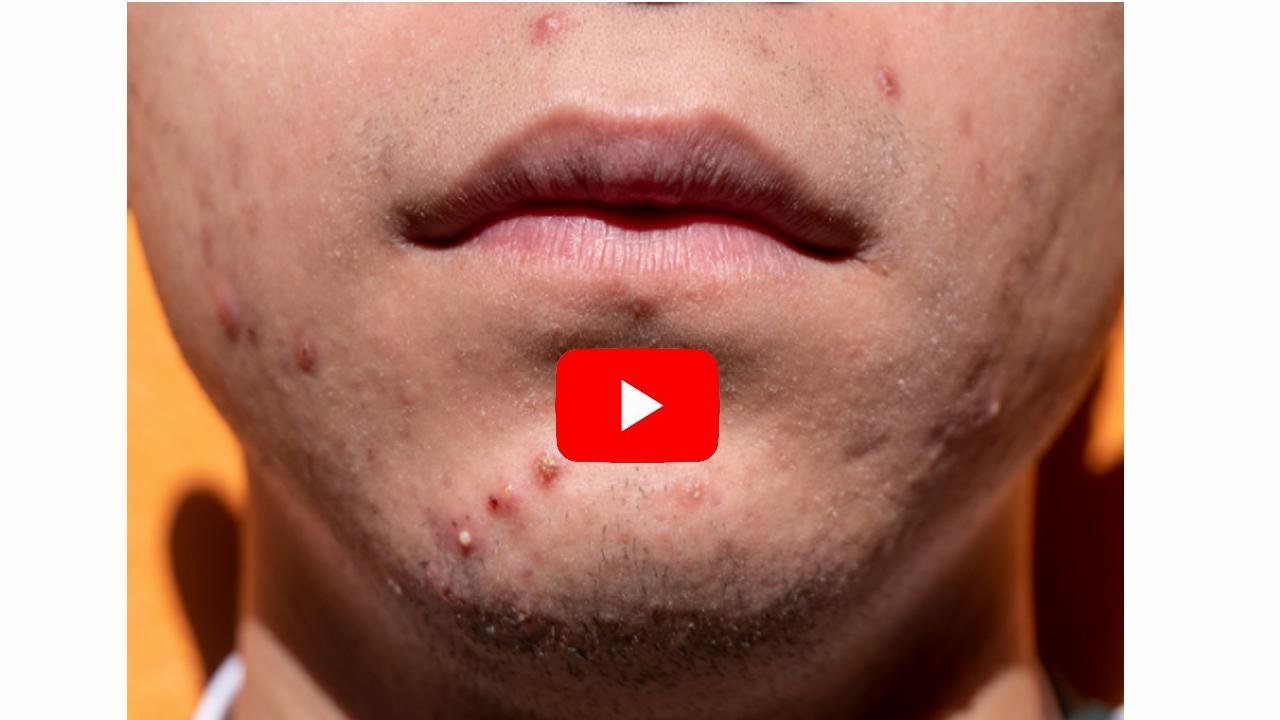
Acne and other skin issues have been increasingly associated with vitamin D deficiency. According to a number of studies, those with lower vitamin D levels typically have more severe and long-lasting acne outbreaks than those with acceptable amounts. This link is probably caused by vitamin D’s function in immune system regulation and inflammation control, two important aspects of acne development.
An overactive immunological response brought on by insufficient vitamin D in the body might result in severe skin inflammation. By encouraging redness, swelling, and damage to skin tissue, this persistent inflammation can exacerbate acne by slowing the healing of pimples. Furthermore, a lack may weaken the skin’s defenses against germs that cause acne, allowing the microorganisms to proliferate unchecked and cause more breakouts.
Vitamin D also contributes to the control of sebum production. Your skin produces sebum, an oily material that can block pores and serve as a haven for germs that cause acne if it is produced in excess. This equilibrium may be upset by low vitamin D levels, which could result in excessive sebum production and a higher chance of developing acne. This immunological and hormonal imbalance demonstrates how vitamin D insufficiency may be a hidden cause of recurrent outbreaks.
Despite not being the only cause of acne, vitamin D insufficiency is a contributing factor that should be addressed, particularly if you have inflammatory or persistent acne. One important step toward cleaner, healthier skin may be to test your vitamin D levels and address any deficiencies through diet, supplements, or moderate sun exposure.
3. How Vitamin D Promotes Hormonal Balance and Reduces Inflammation
Vitamin D is a potent ally against inflammation, one of the main causes of acne, because it is essential for controlling the body’s immune response. Adequate vitamin D helps soothe hyperactive immune cells that release cytokines and other inflammatory substances. This moderation speeds up the healing of blemishes and stops future breakouts by lowering the redness, swelling, and irritation that are frequently observed in acne-prone skin.
In addition to its anti-inflammatory properties, vitamin D promotes hormonal balance, which is essential for hormonal acne treatment. It affects how the endocrine system works and aids in the regulation of hormones like insulin and androgens, which are frequently linked to the development of acne. Vitamin D can prevent clogged pores and excessive oil production, two prominent acne culprits, by assisting in the maintenance of normal hormone levels.
Vitamin D also improves the function of the skin’s barrier by encouraging the formation and repair of healthy cells. Protecting against environmental stressors, microorganisms, and irritants that can worsen acne requires a robust skin barrier. A strong barrier lowers the risk of chronic inflammation and scarring by improving the skin’s ability to retain moisture and repair.
In conclusion, vitamin D is a crucial supplement for people with acne because of its capacity to lower inflammation, control hormones, and fortify the skin barrier. Clearer, healthier skin from the inside out can be supported by ensuring adequate vitamin D levels through diet, supplements, or sun exposure.

✅ Struggling with acne? Discover the 2 natural solutions I personally recommend 👉CLICK HERE
4. Which Is a Better Source of Vitamin D: Sunlight or Supplements?
The most effective and natural way for your body to make vitamin D is through sunlight. Your skin produces vitamin D3, the active form of this essential nutrient, when it is exposed to ultraviolet B (UVB) rays from the sun. Most people can get enough vitamin D from just 10 to 30 minutes of noon sun exposure on bare skin a few times a week. However, the amount of vitamin D your body produces from sunshine might vary depending on your skin tone, age, location, and use of sunscreen.
Despite its many advantages, sunshine isn’t always a safe or dependable source of vitamin D. People who spend most of their time indoors, have darker skin tones, or live in northern latitudes may not get enough sun exposure throughout the year. Furthermore, too much sun exposure raises the risk of skin cancer, so it’s critical to strike a balance between protecting your skin and obtaining adequate vitamin D. Vitamin D supplements are a practical and efficient solution in this situation.
When exposure to sunlight is limited, vitamin D supplements, usually in the form of vitamin D2 or D3, can help bridge the gap. Since it is the same as the vitamin D your body naturally makes and is more efficient at increasing and sustaining blood levels, vitamin D3 (cholecalciferol) is the recommended form. With the precise dosage control that supplements provide, it’s simpler to address deficiencies and maintain ideal levels for skin and general health.
In conclusion, there is a role for both sunshine and supplementation in providing enough vitamin D. The best balance is ideally achieved by combining moderate sun exposure with supplements, particularly during the darker months or for those who are at risk. Depending on your lifestyle, skin type, and vitamin D levels, speaking with a healthcare professional can help you choose the best course of action.
5. What Is the Actual Vitamin D Requirement for Clear Skin?
Age, skin type, location, and current vitamin D levels are some of the variables that can affect how much vitamin D you need for clear skin. To sustain general health, most adults, according to conventional guidelines, need 600 to 800 international units (IU) per day. Some experts advise slightly higher doses—typically in the range of 1,000 to 2,000 IU daily—for those who are specifically aiming to improve skin health and reduce acne in order to reap the benefits of vitamin D’s anti-inflammatory and immune-boosting properties.
Although vitamin D is necessary, an excess of it can be harmful and result in symptoms like weakness, nausea, or calcium accumulation, so it’s critical to balance consumption. Thankfully, vitamin D toxicity is uncommon and usually only happens when taking extremely high doses of supplements for an extended length of time. Many medical professionals advise testing your blood levels to establish your baseline and track any changes in order to prevent this, particularly if you’re taking high-dose supplements.
Simple blood tests, such as the 25-hydroxy vitamin D test, can precisely assess your levels of vitamin D if you’re not sure how much of it you have. Although 30 to 50 ng/mL are generally thought to be the ideal blood levels for overall health, some medical professionals advise aiming for the higher end of this range when treating skin disorders like acne. By adjusting the dosage to your specific requirements, your doctor can make sure you obtain adequate vitamin D without running the danger of taking too much.
In conclusion, getting 1,000 to 2,000 IU of vitamin D per day is a safe and good place to start if you want clearer skin, but regular monitoring and individualized advice can maximize your benefits. Your skin’s health and general well-being will be supported when you combine this with moderate sun exposure and a nutritious diet.
6. Vitamin D in Combination with Other Anti-Acne Nutrients
Even though vitamin D is a potent nutrient on its own, it functions even better when paired with other minerals, vitamins, and substances that promote hormonal balance and healthy skin. Zinc and vitamin D, for instance, help improve your skin’s capacity to repair and lower inflammation. Zinc is a natural supplement to vitamin D’s immune-modulating function because of its well-known antibacterial and hormone-regulating qualities.
Omega-3 fatty acids are another great ingredient to take with vitamin D. Although both nutrients have potent anti-inflammatory properties, omega-3 fatty acids also aid in controlling hormone levels and sebum production, which helps treat acne from several perspectives. Over time, taking vitamin D and omega-3 fatty acids together can help soothe inflamed skin and encourage a brighter complexion.
Additionally, when combined with vitamin D, probiotics can be helpful allies. Probiotics help maintain gut health, which is becoming more and more understood to be a major contributing factor to skin disorders like acne. The benefits of vitamin D are increased when the gut microbiota is in balance because it boosts the immune system and lowers systemic inflammation. When combined, these nutrients offer a comprehensive strategy for managing acne that takes into account both the skin’s internal and extrinsic factors.
Whether through diet or high-quality supplements, combining vitamin D with zinc, omega-3s, and probiotics can increase the effectiveness of your acne treatment plan. To guarantee the proper amounts and prevent interactions, it’s wise to speak with a healthcare provider before beginning any new supplement regimen.
✅ Struggling with acne? Discover the 2 natural solutions I personally recommend 👉CLICK HERE