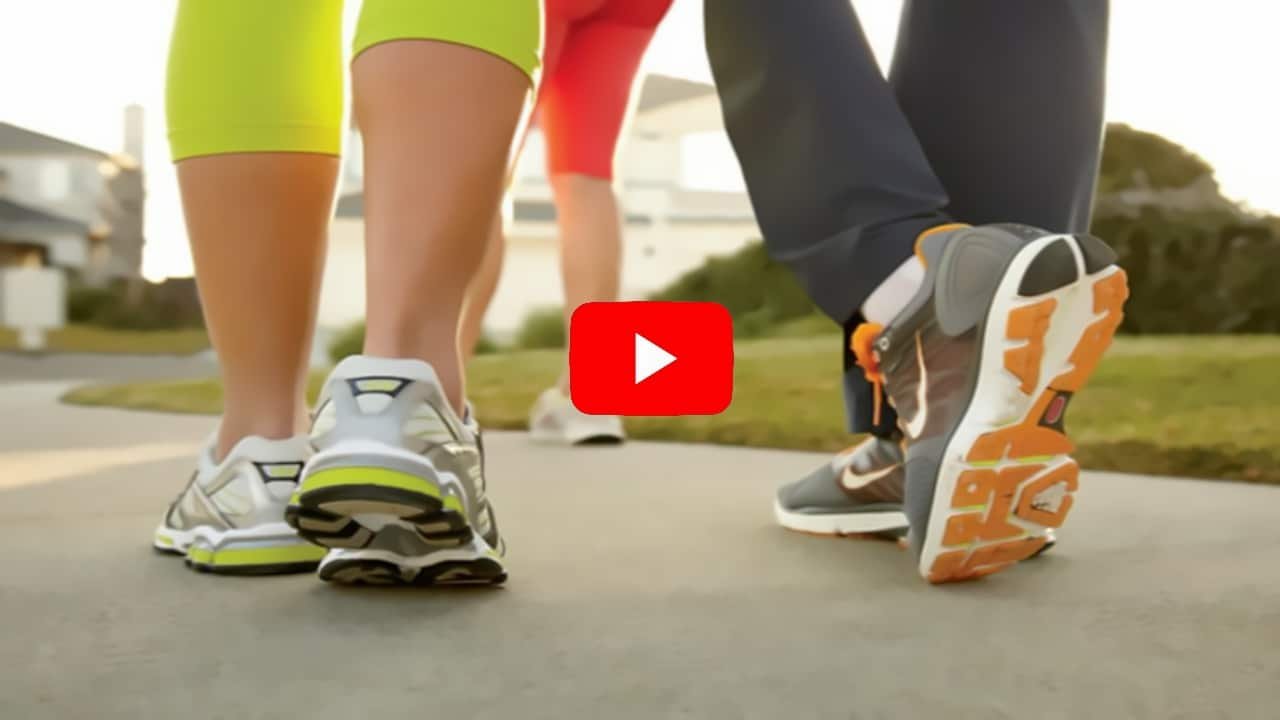


Walking for Weight Loss: A Natural and Effective Approach
Walking is often underestimated as a form of exercise for weight loss, yet it is one of the most accessible and effective methods available. Unlike high-intensity workouts that require gym memberships or specialized equipment, walking can be done anywhere, by anyone, at any time. It is a low-impact exercise that not only aids in weight loss but also improves cardiovascular health, boosts mood, and enhances overall well-being.
When it comes to weight loss, consistency is key. Walking regularly, especially at a brisk pace, helps burn calories and reduces body fat. By incorporating walking into daily routines, individuals can create a sustainable habit that supports long-term weight management. Furthermore, walking has been shown to improve metabolic rate, allowing the body to burn calories more efficiently even at rest.
Walking is not just about moving from one place to another; it’s about engaging in a practice that can transform your approach to health. The simplicity of putting one foot in front of the other belies the profound impact it can have on your body. Walking briskly for 30 minutes a day can burn around 150 calories, and over time, this can lead to significant weight loss. The key is to maintain a steady routine, gradually increasing the duration and intensity of your walks as your fitness level improves.
Moreover, walking can be easily integrated into your daily life. Whether it’s choosing to walk to work, taking the stairs instead of the elevator, or enjoying a leisurely stroll during lunch breaks, every step counts. The beauty of walking is that it doesn’t require a drastic lifestyle change, making it easier to stick to in the long run.
Walking Health Benefits: Beyond Just Weight Loss
While walking is an excellent tool for weight loss, its health benefits extend far beyond shedding pounds. Regular walking can significantly reduce the risk of chronic diseases such as heart disease, type 2 diabetes, and certain types of cancer. It enhances cardiovascular fitness by strengthening the heart, improving circulation, and lowering blood pressure.
Moreover, walking supports mental health by reducing symptoms of anxiety and depression. The rhythmic nature of walking induces a meditative state, allowing individuals to clear their minds and reduce stress. It also promotes better sleep quality, which is crucial for overall health and recovery.
Walking is also beneficial for joint health. Unlike high-impact exercises, walking is gentle on the joints, making it suitable for people of all ages, including those with arthritis or joint pain. It helps maintain bone density and muscle strength, reducing the risk of osteoporosis and age-related muscle loss.
Beyond the physical benefits, walking fosters a sense of community and connection. Walking in groups or with a partner can enhance social bonds and provide a support system that encourages regular exercise. This social aspect can be particularly beneficial for those who may feel isolated or need motivation to stay active.
Furthermore, walking in natural settings, such as parks or nature trails, can amplify the mental health benefits. The combination of physical activity and exposure to nature has been shown to reduce stress levels, improve mood, and enhance cognitive function. This holistic approach to walking can lead to a more balanced and fulfilling lifestyle.
Fat Loss Techniques: Maximizing the Benefits of Walking
To maximize the fat loss benefits of walking, it is important to incorporate certain techniques into the routine. Interval walking, for instance, involves alternating between periods of fast walking and slower-paced recovery. This technique increases calorie burn and enhances cardiovascular fitness.
Walking uphill or on an incline is another effective technique. It engages different muscle groups, increases heart rate, and boosts calorie expenditure. Additionally, incorporating strength training exercises, such as lunges or squats, during walks can further enhance muscle tone and fat loss.
Monitoring progress is crucial for maintaining motivation and achieving weight loss goals. Using a pedometer or fitness tracker to count steps and track distance can provide valuable insights into daily activity levels. Setting realistic goals and gradually increasing walking duration and intensity can lead to sustainable fat loss results.
Another technique to enhance fat loss is to vary your walking routes and terrains. Changing your environment can prevent boredom and challenge your body in new ways. Walking on different surfaces, such as grass, sand, or gravel, can engage different muscles and increase the intensity of your workout.
Incorporating mindfulness into your walking routine can also be beneficial. Paying attention to your breath, posture, and surroundings can enhance the overall experience and make walking a more enjoyable and meditative practice. This mindfulness can help you stay present and focused, reducing stress and improving mental clarity.
Fat Burning Walking: Understanding the Science Behind It
Fat burning walking is a concept that focuses on optimizing the body’s ability to use stored fat as a source of energy. During low to moderate-intensity exercise, such as walking, the body primarily relies on fat for fuel. This is because fat oxidation is more efficient at lower intensities compared to carbohydrates, which are used during high-intensity activities.
Walking at a steady pace for an extended period allows the body to tap into fat stores, promoting fat loss. The key is to maintain a consistent pace that keeps the heart rate within the fat-burning zone, typically around 60-70% of maximum heart rate. This ensures that the body is using fat as its primary energy source.
Incorporating fasted walking, which involves walking on an empty stomach, can also enhance fat burning. During a fasted state, the body’s glycogen stores are depleted, forcing it to rely on fat for energy. However, it is important to approach fasted walking with caution and consult with a healthcare professional, especially for individuals with medical conditions or specific dietary needs.
Understanding the science behind fat burning walking can help you tailor your exercise routine to achieve optimal results. It’s important to listen to your body and adjust your pace and intensity based on how you feel. This personalized approach can lead to more effective fat loss and improved overall health.
Additionally, staying hydrated and fueling your body with the right nutrients can enhance your walking routine. Consuming a balanced diet with adequate protein, healthy fats, and complex carbohydrates can support muscle recovery and provide sustained energy for your walks.

“If you’re serious about boosting your weight loss results naturally, check out my favorite science-backed supplements here 👉 https://justpaste.it/hyu2r“
Japanese Walking Exercise: A Cultural Phenomenon
Japanese walking exercise, known as “Nippon walking,” has gained popularity worldwide for its unique approach to fitness and fat loss. This exercise method emphasizes mindfulness, proper posture, and breathing techniques to enhance the walking experience and maximize its benefits.
Nippon walking incorporates elements of traditional Japanese practices, such as Tai Chi and Zen meditation, to create a holistic exercise routine. Practitioners focus on maintaining a straight posture, engaging the core, and taking deliberate, balanced steps. Breathing deeply and rhythmically is also a key component, promoting relaxation and oxygen flow throughout the body.
This form of walking is not only about physical fitness but also about connecting with nature and one’s surroundings. It encourages individuals to be present in the moment, fostering a sense of peace and harmony. The cultural aspect of Nippon walking adds an enriching dimension to the exercise, making it a fulfilling and transformative experience.
The popularity of Japanese walking exercise can be attributed to its emphasis on balance and mindfulness. By integrating these elements into a walking routine, individuals can experience a deeper connection to their bodies and the world around them. This holistic approach to exercise can lead to improved mental and emotional well-being, in addition to physical fitness.
Furthermore, Nippon walking can be practiced by people of all ages and fitness levels. Its gentle and adaptable nature makes it accessible to everyone, regardless of physical ability. This inclusivity is a key factor in its widespread appeal and effectiveness as a form of exercise.
Japanese Fitness Trends: The Rise of Innovative Practices
Japan has long been at the forefront of innovative fitness trends, combining traditional practices with modern techniques to promote health and well-being. In addition to Nippon walking, other Japanese fitness trends, such as radio calisthenics and forest bathing, have gained international recognition.
Radio calisthenics, or “Rajio Taiso,” is a popular exercise routine broadcasted on national radio stations. It involves a series of simple, rhythmic movements performed to music, promoting flexibility, coordination, and cardiovascular fitness. This practice is often done in groups, fostering a sense of community and social connection.
Forest bathing, or “Shinrin-yoku,” involves immersing oneself in nature to enhance physical and mental health. This practice encourages individuals to slow down, breathe deeply, and appreciate the natural environment. Research has shown that forest bathing reduces stress, lowers blood pressure, and boosts the immune system.
The rise of these innovative fitness trends highlights Japan’s commitment to holistic health and wellness. By integrating traditional practices with modern exercise techniques, individuals can achieve a balanced and fulfilling lifestyle.
Japanese fitness trends often emphasize the importance of mental and emotional well-being in addition to physical fitness. This holistic approach to health encourages individuals to focus on the interconnectedness of the mind, body, and spirit. By embracing these practices, individuals can experience a more comprehensive and sustainable approach to health and wellness.
Efficient Fat Burning: Strategies for Success
Efficient fat burning requires a combination of exercise, nutrition, and lifestyle modifications. Walking, as a foundational exercise, can be complemented with other strategies to enhance fat loss and overall health.
A balanced diet rich in whole foods, lean proteins, healthy fats, and complex carbohydrates is essential for fueling the body and supporting fat loss. Reducing processed foods and added sugars can help regulate blood sugar levels and prevent weight gain.
Staying hydrated is also crucial for efficient fat burning. Drinking enough water supports metabolic processes and aids in the breakdown of fat cells. Additionally, getting adequate sleep and managing stress levels are important factors in maintaining a healthy weight and promoting fat loss.
Incorporating other forms of exercise, such as strength training or high-intensity interval training (HIIT), can further enhance fat burning. These exercises increase muscle mass, boost metabolism, and improve overall fitness levels.
Consistency is key when it comes to fat burning. Establishing a regular exercise routine and sticking to it can lead to long-term success. It’s important to set realistic goals and celebrate small victories along the way. This positive reinforcement can help maintain motivation and encourage continued progress.
Finally, listening to your body and making adjustments as needed can ensure that your fat burning efforts are effective and sustainable. By taking a personalized approach to exercise and nutrition, you can achieve your health and fitness goals while maintaining overall well-being.
Health Benefits Walking: A Comprehensive Overview
Walking offers a multitude of health benefits that extend beyond physical fitness. It is a versatile exercise that can be adapted to suit various fitness levels and goals, making it an ideal choice for individuals seeking to improve their health and well-being.
One of the most significant health benefits of walking is its positive impact on cardiovascular health. Regular walking strengthens the heart, improves circulation, and reduces the risk of heart disease. It also helps lower blood pressure and cholesterol levels, promoting a healthy cardiovascular system.
Walking is also beneficial for mental health. It releases endorphins, the body’s natural mood enhancers, which can alleviate symptoms of anxiety and depression. The meditative nature of walking allows individuals to clear their minds, reduce stress, and improve overall mental clarity.
Furthermore, walking supports weight management by burning calories and reducing body fat. It is a sustainable exercise that can be easily incorporated into daily routines, making it an effective tool for long-term weight loss and maintenance.
In addition to these benefits, walking improves joint health, enhances muscle tone, and promotes better sleep quality. It is a low-impact exercise that is gentle on the joints, making it suitable for people of all ages and fitness levels.
Overall, walking is a powerful exercise that offers a wide range of health benefits. By incorporating walking into daily life, individuals can improve their physical and mental well-being, leading to a healthier and more fulfilling life.
Walking can also serve as a gateway to other forms of physical activity. As individuals build confidence and fitness through walking, they may be inspired to explore additional exercises and activities. This progression can lead to a more active and diverse lifestyle, further enhancing overall health and well-being.
“If you’re serious about boosting your weight loss results naturally, check out my favorite science-backed supplements here 👉 https://justpaste.it/hyu2r“