
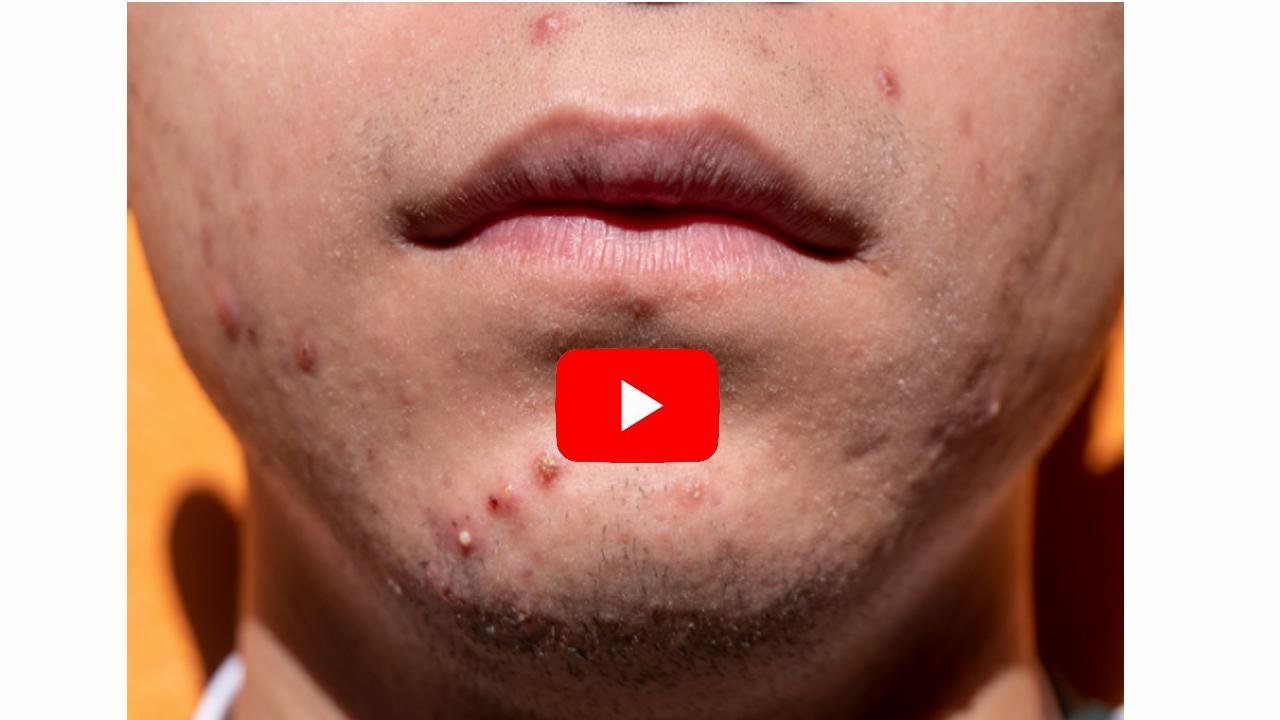

A Scientific Investigation into the Possible Cause of Acne by Dairy
Scientists have been studying the connection between dairy consumption and acne for many years. Whether there is a direct causal relationship between the consumption of dairy products and the onset of acne has been the subject of numerous studies. Although some studies point to a potential link, the data is not totally clear. It is difficult to identify dairy as the only cause of acne because it is a complicated dermatological problem influenced by a wide range of factors, including hormones, lifestyle choices, and heredity.
According to a number of studies, dairy products—especially milk—may make acne problems worse. Sebum, an oily material that can clog pores and cause acne, is thought to be stimulated by hormones found in milk, such as insulin-like growth factor 1 (IGF-1). Other studies, however, have not discovered any meaningful correlation, underscoring the necessity of additional investigation to elucidate these results.
The story is further complicated by the variety in personal reactions to dairy consumption. Reducing dairy consumption has been associated with dramatic improvements in skin condition for some people, but no discernible changes for others. This variation emphasizes how crucial it is to take individual dietary and lifestyle factors into account when assessing the possible effects of dairy on acne.
The Clear Skin Diet: Nutritious Strategies for Acne Treatment
A clear skin diet is frequently advised for people who want to use nutrition to treat acne. This dietary strategy places a strong emphasis on eating foods that promote healthy skin and lower inflammation. A diet rich in fruits, vegetables, whole grains, lean meats, and healthy fats is essential for bright skin. Antioxidants, vitamins, and minerals that are vital for good skin are abundant in these foods.
A clear skin diet, on the other hand, suggests avoiding processed foods, sugary snacks, and foods with a high glycemic index since they might raise blood sugar levels and aggravate acne. Although dairy products are frequently examined in relation to acne, it’s crucial to remember that different people react differently to dairy. While some people may not see any difference in their skin, others may see an improvement when they cut back on dairy.
Additionally, because omega-3 fatty acids have anti-inflammatory qualities, including foods like fish and flaxseeds can be helpful. By encouraging a balanced gut microbiota, probiotics—found in yogurt and fermented foods—may also improve skin health. Another important factor is hydration, since drinking enough water keeps skin supple and moisturized.
Acne-Prone Skin: An Overview and Management Guide
The propensity to form pimples, blackheads, and whiteheads is a characteristic of acne-prone skin. A mix of environmental, hormonal, and genetic factors frequently affect this illness. Increased sebum production in those with acne-prone skin can result in clogged pores and the growth of bacteria.
A complete strategy that include dietary changes, a regular skincare regimen, and, in certain situations, medicinal treatments is needed to manage acne-prone skin. Maintaining a balanced diet that promotes general skin health and using non-comedogenic skincare products that do not clog pores are essential for people. Speaking with a dermatologist might also yield tailored advice and treatment choices.
Additionally, stress-reduction methods like mindfulness and consistent exercise might lessen the effects of acne brought on by stress. The natural skin barrier can be preserved and skin irritation can be avoided by avoiding harsh skincare products and excessive washing. Under the supervision of a dermatologist, professional treatments such as chemical peels or laser therapy may be recommended for severe instances.
A Detailed Overview of Acne Causes and Treatments
Acne has many different reasons, and each person’s experience is unique. Hormonal changes, especially during puberty and menstruation, genetic predisposition, stress, and some drugs are common causes of acne. Acne can also occur as a result of lifestyle choices like nutrition, skincare routines, and environmental circumstances.
Acne cannot be completely cured, but there are a number of therapies that can help control and lessen its symptoms. Benzoyl peroxide, salicylic acid, and retinoids are among the primary chemicals included in topical therapies used to treat acne blemishes. For more serious situations, doctors may prescribe oral drugs including hormone treatments and antibiotics. Additionally, dietary modifications and stress reduction are examples of lifestyle modifications that might support better skin health.
For individuals looking for alternative methods, new treatments like light therapy and the use of natural chemicals like tea tree oil provide more choices. Individuals must collaborate closely with medical practitioners to customize treatment regimens that take into account their unique skin type and demands.

Impact of Dairy on Skin: Assessing the Data
There is continuous research and discussion regarding the effects of dairy on skin health, especially with regard to acne. According to some research, hormones and bioactive compounds included in dairy products may have an impact on skin disorders. For example, it has been proposed that the androgens in milk may lead to a rise in sebum production, which is a major cause of acne.
Dairy consumption does not appear to have a substantial impact on acne, according to some study, but the evidence is inconsistent among studies. When assessing the role of dairy in one’s diet and its possible effects on one’s skin, people should take into account their personal experiences as well as seek advice from medical professionals.
Anecdotal data from people who have noticed improvements in their skin health after modifying their dairy diet offers important insights in addition to scientific investigations. These first-hand stories emphasize the necessity of a customized strategy for managing acne and dietary changes.
Acne Triggers: Recognizing and Controlling Important Elements
One of the most important steps in properly treating acne is figuring out what causes it. Hormonal fluctuations, stress, and specific food choices are common factors. Some people may not have the same effects, while others may be triggered by certain foods, such as dairy products.
People are advised to maintain a journal of their food and lifestyle choices in order to spot trends and possible triggers for acne. Acne symptoms can be lessened once they have been identified by implementing focused changes, such cutting back on stress or avoiding particular foods. Working with a dermatologist to create a customized management strategy is also advantageous.
Understanding the effects of different triggers might be aided by routine skin examinations and tracking changes over time. Acne treatment techniques can also be made more effective by using a comprehensive approach that takes environmental influences and mental health into account.
Examining the Association Between Milk and Acne
Numerous scientific research have investigated the link between milk drinking and acne. According to some study, milk—especially skim milk—may raise your risk of developing acne. The hormones and growth factors found in milk are implicated in the suggested mechanism, which may have an impact on inflammation and sebum production.
It is crucial to remember that there is no universally accepted link between milk and acne, and that different people will react differently. There may be an association between milk consumption and flare-ups of acne for some people, but not for others. To completely comprehend the subtleties of this relationship, more investigation is required.
Given the possible connection between milk and acne, people who think dairy may be a trigger might look into plant-based milk substitutes. These substitutes can offer nutritional advantages without the possible hormonal effects of cow’s milk.
Dairy Breakouts: Comprehending the Phenomenon
Some people who observe a connection between their eating habits and skin condition report breakouts from dairy consumption. It is believed that the phenomena is linked to the hormones in dairy products, which may influence inflammation and sebum production in vulnerable people.
An elimination diet, which involves cutting out dairy for a while, can assist those who believe that dairy is causing their breakouts in figuring out whether the two are related. In order to control their acne, people may decide to limit or stay away from dairy products if they notice improvements in their skin condition. However, when making major dietary changes, it is crucial to make sure that nutritional demands are covered through alternative sources.
Before making significant dietary changes, it is best to speak with a nutritionist or other healthcare professional to make sure that all nutritional needs are sufficiently satisfied. Consuming a range of meals high in nutrients can also promote the general health and wellbeing of the skin.